The short version: this edition covers two weeks, 11 to 24 October. The headline inflation figure was the best in years, but it hides a rise in the prices that matter most to builders. Diesel was calm for ten days and then turned uncertain again as crude oil climbed. The naira and cement prices barely moved. And a fatal collapse in Lagos was another reminder that cutting corners on a site is the most expensive saving you can make. (Missed the last edition? Read the roundup for October 4 to 10.)
1. Inflation Falls to 14.63%, but Core Prices Pick Up
On 15 October the National Bureau of Statistics said headline inflation fell to 14.63% in September, from 15.39% in August. Prices rose only 0.06% during the month, down from 0.71% in August. Most of that came from food: food prices fell 1.55% month on month (Nairametrics, P.M. News).
| Measure (NBS) | August 2026 | September 2026 |
|---|---|---|
| Headline, year on year | 15.39% | 14.63% |
| Headline, month on month | 0.71% | 0.06% |
| Food, month on month | +1.02% | −1.55% |
| Core, month on month | −0.06% | +1.11% |
| Core, year on year | — | 12.95% |
What this means for your budget: core inflation leaves out farm produce and energy, so it is closer to the prices of manufactured goods and services, which include most building materials and labour. Core prices rose 1.11% in a single month. If that pace continued for a year it would add more than 13% to a typical budget. So the lower headline figure does not mean your materials are getting cheaper. Keep a contingency of at least 10% in your estimate, and if your budget is more than two months old, run it again in the Estimator with today's rates.
2. Diesel: Steady at About ₦1,800, Then Dangote Pauses Loading
After the swings at the start of the month, Dangote's diesel gantry price stayed at ₦1,800 a litre from 10 October. On 21 and 22 October, Lagos depots even trimmed prices a little. Ascon, Duport, Gulf Treasure and Integrated were at about ₦1,785, and Masters in Port Harcourt was at ₦1,805. Depot owners pointed to weak demand and plenty of stock, even though Brent crude rose above $113 a barrel (Legit.ng).
That calm ended on Saturday, 24 October. Dangote suspended diesel loading at its gantry from about 3 a.m., while petrol loading carried on. It gave no reason and did not announce a new price. Brent was trading around $116 a barrel. Depots moved first: Lagos prices rose to ₦1,850–₦1,900 a litre and Warri to ₦1,830–₦1,900 (Legit.ng).
Petrol was quieter at depots, at about ₦1,342–₦1,344 a litre in Lagos. However, NNPC raised its filling-station price by ₦35 to ₦1,405 a litre.
What this means for your budget: with crude rising and the largest supplier pausing sales, a diesel increase looks more likely than a cut in the coming weeks. For anything that runs on diesel, such as a concrete mixer, a pumping machine, a generator for welding or tipper haulage, we now suggest pricing diesel at ₦1,900 a litre, about ₦100 more than in our last edition. If you are planning a slab pour, agree the plant and haulage price with your supplier in writing before the day. You can edit the fuel and plant lines in our Mobilisation Calculator and Preliminaries Calculator.
3. The Naira Holds Near ₦1,333
The exchange rate had another quiet fortnight. The naira gained 98 kobo to close at about ₦1,331.61 per dollar in the official market on 15 October (Legit.ng). Trackers put the CBN rate at about ₦1,333 on 18 October and ₦1,334.72 on 22 October. On the parallel market the dollar sold at about ₦1,390 and was bought at about ₦1,375 (Nairatoday).
What this means for your budget: this is the fourth edition in a row with the naira close to ₦1,330. Prices of imported finishes, such as tiles, sanitary ware, aluminium profiles, electrical fittings and solar equipment, should not be rising because of the exchange rate. If a supplier says otherwise, ask which rate they used. The gap between the official and parallel rates is still only about ₦55, or 4%. A quote you are unsure about can go into our Quote Checker to compare each line with market rates.
4. Cement: ₦12,600 to ₦13,100 a Bag in Abuja
An online Abuja price list updated on 15 October put the main brands at:
| Brand (50kg) | Abuja price, 15 Oct 2026 | 100 bags |
|---|---|---|
| Dangote 3X | ₦13,100 | about ₦1.31 million |
| BUA | ₦12,800 | about ₦1.28 million |
| HBM Elephant | ₦12,600 | about ₦1.26 million |
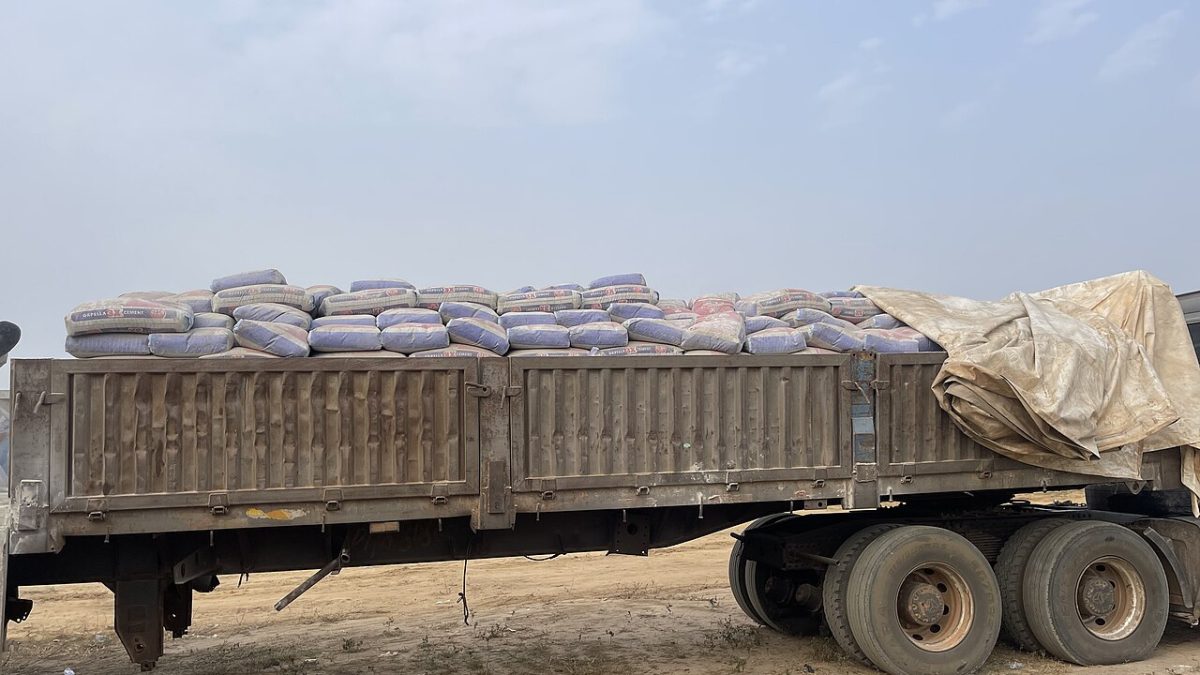
These prices do not include delivery (Legit.ng). The same report recalls the competition regulator's (FCCPC) figures: about ₦9,300–₦9,700 a bag in January, rising to ₦10,500–₦13,000 by mid-year, with some places at ₦13,000–₦15,000 in July. So cement is roughly 35% dearer than at the start of the year, but it has been broadly flat since the summer.
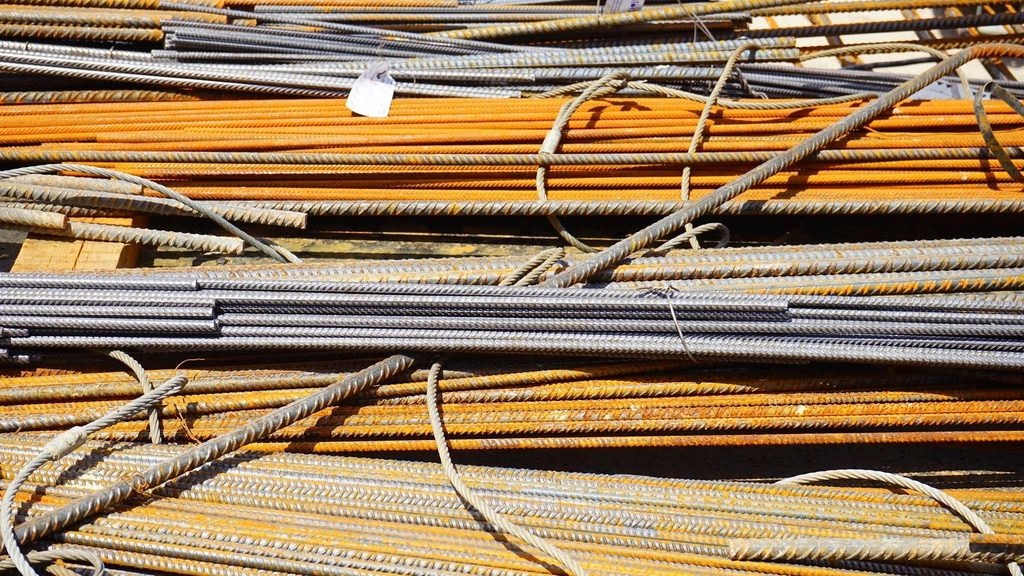
Iron rods are moving the other way. One price tracker that checked prices on 12 October put typical rods at about ₦800,000 to ₦1.1 million a tonne, around 17% below its 2025 figures (NaijaSabi). Prices vary a lot by brand and city, so get a dated written quote.
What this means for your budget: plan cement at about ₦13,000 a bag plus delivery in the big cities, and more in places far from the factories. A three-bedroom bungalow uses several hundred bags from foundation to finishing, so ₦500 a bag adds up quickly. Use our Cement Calculator to count bags for each stage, and read current cement prices for brand and city detail. If a big pour is coming, ask two or three distributors in your own city for quotes and store the bags off the ground and under cover.
5. Lagos: A Fatal Collapse in Fadeyi and GNI House Comes Down
Early on Friday, 23 October, a two-storey building under construction collapsed on Akinola Street, near Fadeyi bus stop, off Ikorodu Road in Lagos. LASEMA said one man died and three were rescued alive, and searched the rubble for other workers. The agency said the cause was not yet known and that regulators would investigate. It repeated the state's "zero-tolerance policy towards substandard construction" and said monitoring with the Lagos State Building Control Agency would be stepped up (P.M. News, Vanguard).
A week earlier, on 15 October, LASEMA began the controlled demolition of GNI House, the 25-storey building on Martins Street, Lagos Island, that was gutted by fire on 24 December 2025. The agency said the work would go slowly to protect nearby buildings (Nigeria Housing Market).
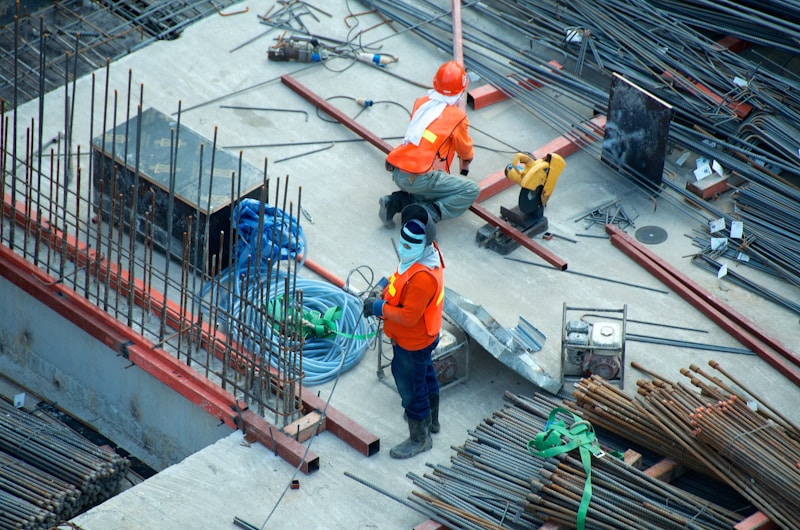
What this means for you: we do not yet know why the Fadeyi building fell, so we will not guess. Most collapses happen during construction, though, and the usual causes are known: weak concrete, too little steel, building more floors than approved and skipping supervision. The cheapest protection is in your own budget. Pay for a soil test, a structural design and proper supervision. Do not cut cement or iron rods to save money, and check that your approval matches what is being built. Our guide to rebar quantities shows what a house normally needs, so you can tell when a number looks too low.
What This Means for Your Project This Month
- Do not read lower inflation as cheaper materials. Core prices rose 1.11% in September. Keep a 10% contingency.
- Price diesel at about ₦1,900 a litre. Crude is near $116 and Dangote has paused diesel loading.
- Challenge any FX-linked increase. The naira has been steady near ₦1,330 for about two months.
- Budget cement at about ₦13,000 a bag plus delivery, and get dated written quotes for iron rods.
- Do not save money on structure. A soil test, a proper design and supervision cost far less than a failure.
Frequently Asked Questions
Inflation is falling. Why are my material quotes not coming down?
Most of September's fall came from food. Core inflation, which is closer to manufactured goods and services, rose 1.11% in the month. Building materials depend on energy, transport and manufacturing costs, and those have not fallen.
Why did Dangote stop selling diesel at its gantry?
The refinery did not give a reason. It happened as Brent crude rose to about $116 a barrel, and depots raised their prices straight away. Many marketers expect a new, higher gantry price, but there was no announcement by 24 October.
How much is a bag of cement now?
An Abuja listing on 15 October showed ₦12,600 to ₦13,100 for the main brands before delivery. Prices are higher in some other cities and in places far from the factories. Always ask for a dated quote that includes delivery.
How can I reduce the risk of my building collapsing?
Get a soil test and a structural design from a registered engineer, follow the approved drawings, buy cement and iron rods of the right grade and quantity, and have a qualified person supervise the concrete work. Each of these costs far less than a failed slab.
How often is this roundup published?
Usually every weekend. When we miss a week, we cover two weeks in one edition. We link to the original reports so you can check the figures yourself.
Turn These Numbers Into Your Own Budget
Headlines tell you where the market is; your project needs a figure. Sketch your layout in the free Floor Plan Editor, then send the real room sizes into the Professional Estimator for an itemised cost breakdown using current material rates for 11 Nigerian cities. Already have a quote from a contractor? Upload it to the Quote Checker and see which lines look high.
Start Your Free Estimate →