Every Nigerian construction project begins the same way: before a single block is laid or a column poured, earth must be removed. Excavation is among the first line items in any bill of quantities, and it is consistently one of the most underpriced — particularly by inexperienced contractors who confuse surface area with volume, or who fail to account for the very different costs of digging in Lagos clay versus Abuja laterite versus Jos rocky ground.
Our free Excavation Cost Calculator is designed to give Nigerian builders, contractors, and quantity surveyors an accurate excavation estimate within minutes, calibrated to current 2026 labour and equipment rates across Nigeria's major regions.
What Drives Excavation Costs in Nigeria?
Excavation pricing in Nigeria is more complex than it appears on the surface. The following variables all materially affect the final cost:
Soil Classification
Nigerian soils range from soft coastal clays and loose sandy soils in Lagos and the Niger Delta, through medium-density lateritic soils common across the southwest and north-central zones, to hard laterite and rock found in parts of Abuja, Plateau State, and Kano. The difference in excavation cost between soft soil (suitable for manual digging with hoes and head pans) and hard rock (requiring pneumatic breakers or blasting) can be 3 to 5 times on a per-cubic-metre basis.
Depth of Excavation
Foundation depth varies by building type: strip foundations for low-rise buildings typically require 600mm to 900mm depth, raft foundations 300mm to 450mm, and basement excavation 2.5m to 4m or more. Every additional metre of depth increases cost non-linearly because of the reduced efficiency of manual digging at depth, the need for shoring in unstable soils, and the greater lifting distance for spoil removal.
Method: Manual vs. Mechanical
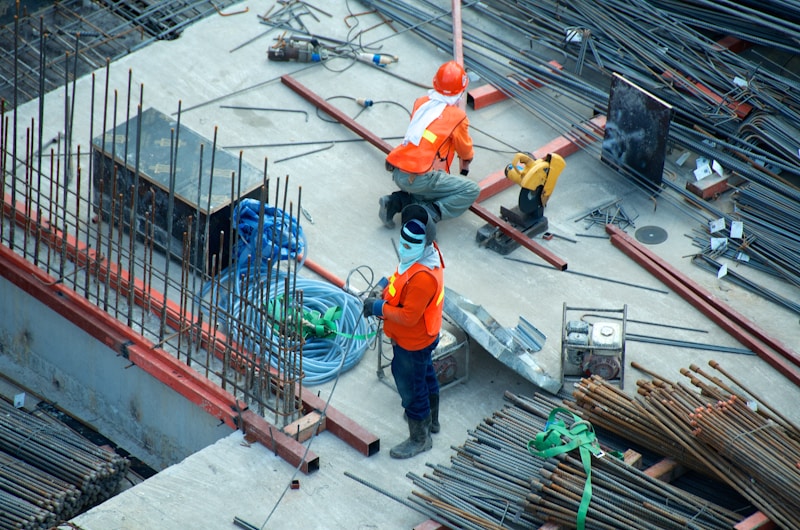
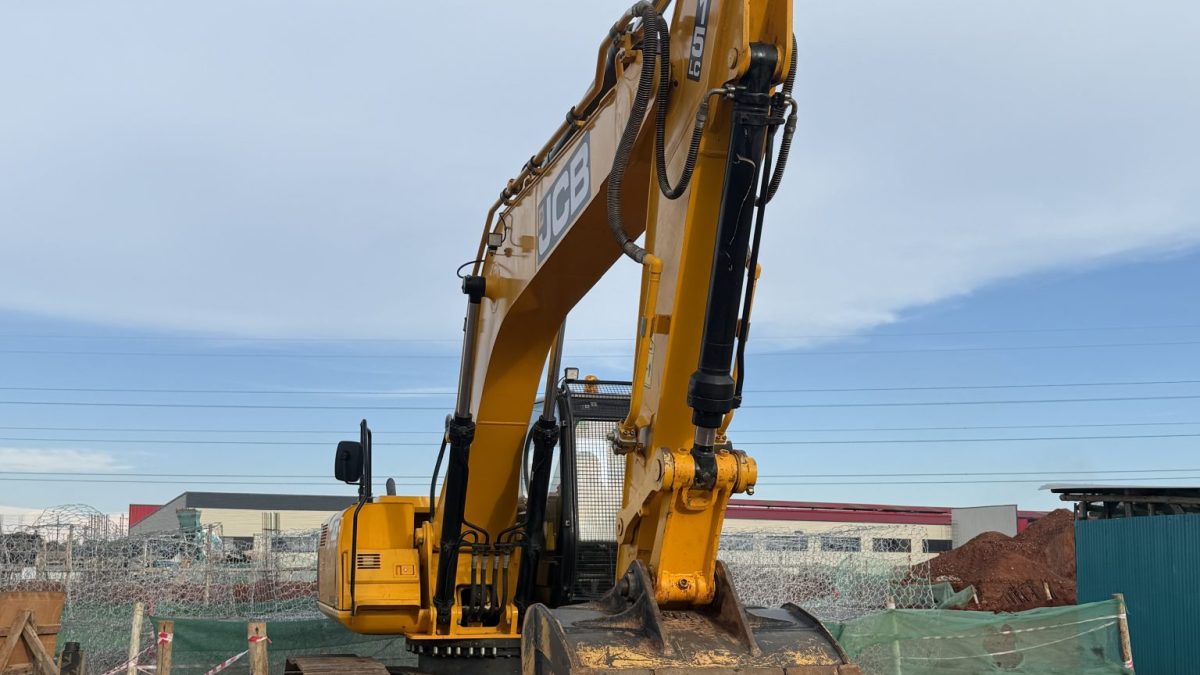
In Nigeria, the choice between manual and mechanical excavation is driven by three factors: site access for machinery, cost of plant hire, and urgency. Manual excavation using daily-rate labourers is common for small residential sites with limited access. Mechanical excavation using a JCB or excavator is typically more economical for volumes above 30 to 50 cubic metres, and significantly faster — though hiring a machine in a city centre with poor access can be impractical. Our calculator accounts for both methods and lets you compare costs.
Disposal of Excavated Material
Spoil removal is frequently overlooked in preliminary estimates. Excavated material must go somewhere — either reused on site for backfill, stockpiled for later use, or carted away. Where carting off-site is necessary, haulage distance, truck hire, and tipping charges all add to the bill. On congested urban sites in Lagos or Abuja, logistics costs can add 20% to 35% to the base excavation rate.
Groundwater and Dewatering
In areas with high water tables — coastal Lagos, Port Harcourt, and riverine areas — excavation below the water table requires active dewatering. Pump hire and fuel costs can add significantly to the bill and are easy to miss in an initial estimate. Our calculator includes a dewatering allowance for relevant soil and depth combinations.
Typical Excavation Rates in Nigeria (2026)
Based on current market data from our materials and rates database:
- Manual excavation, soft soil: ₦4,500 – ₦6,500 per cubic metre
- Manual excavation, medium laterite: ₦7,000 – ₦10,000 per cubic metre
- Manual excavation, hard laterite: ₦12,000 – ₦18,000 per cubic metre
- Mechanical excavation (JCB/excavator hire), soft-medium soil: ₦3,500 – ₦5,500 per cubic metre (depending on plant availability and mobilisation distance)
- Rock breaking and removal: ₦25,000 – ₦45,000 per cubic metre
These rates include basic spoil disposal to an on-site spoil heap within 50 metres. Off-site haulage is additional.
How to Use the Excavation Cost Calculator
The calculator asks for the following inputs:
- Excavation dimensions: length × width × depth in metres. For foundation trenches, enter the total trench perimeter length, trench width, and depth.
- Soil type: Select soft, medium, or hard. If unsure, choose medium — it is the most common in central Nigeria and provides a reasonable mid-range estimate.
- Excavation method: Manual or mechanical. If the site has vehicle access and you are moving more than 40m³, mechanical will almost always be cheaper.
- Spoil disposal: On-site reuse, on-site stockpile, or off-site removal. Enter haulage distance if carting away.
- Region: Lagos, Abuja, Port Harcourt, or general Nigeria. Labour and plant hire rates vary by location.
The calculator outputs total volume in cubic metres, total estimated cost in naira, and a per-cubic-metre rate for comparison against contractor quotes.
Using Excavation Estimates in Your BOQ
In a standard Nigerian bill of quantities, excavation is captured in Preliminaries or Bill 1 (Substructure). The key items are:
- Bulk excavation to reduce levels (if any ground-lowering is required)
- Excavation in trenches for strip foundations
- Excavation for pad or raft foundations
- Earthwork support (where soil is unstable)
- Disposal of excavated material (on-site or off-site)
- Backfilling and compaction around foundations
Our BOQ Tender Generator includes the full substructure bill with excavation items ready to price. You can import the excavation estimate directly from the calculator.
Common Mistakes When Pricing Excavation in Nigeria
Confusing plan area with volume. Excavation is priced by volume (cubic metres), not by area. Always multiply length × width × depth. A 10m × 10m area excavated to only 0.6m depth is only 60m³ — very different from the same area dug to 1.5m.
Ignoring soil hardness variation within a site. Many Nigerian sites contain mixed soil profiles — soft topsoil over hard laterite over rock. A soil investigation (even a basic hand auger) before pricing can save significant surprises when the hard layer is hit at 800mm rather than the assumed 1,500mm.
Underestimating Lagos waterlogging costs. Sites in low-lying parts of Lagos — Lekki, Ajah, Badagry, parts of the Mainland — often encounter groundwater within 500mm to 1,000mm of surface. Dewatering for a 3-month substructure programme can run to ₦300,000 – ₦600,000 and must be included in the bid.
No allowance for rock. On Abuja sites especially, rock can appear without warning. Contractors who have not included a rock-breaking provisional sum regularly absorb major losses when a pneumatic breaker is needed on what was priced as a manual-dig job.
Frequently Asked Questions
How do I calculate excavation volume for a strip foundation?
Measure the total perimeter length of all foundation trenches. Multiply by trench width (typically 450mm to 600mm for a residential strip foundation) and by trench depth. Example: 60m perimeter × 0.6m wide × 0.9m deep = 32.4 cubic metres.
Is JCB hire always cheaper than manual excavation in Nigeria?
Not always. On a small residential site with narrow access, a JCB cannot manoeuvre effectively and manual labour is more practical. For volumes above 50m³ on an accessible site, mechanical is almost always cheaper and faster.
What soil type is most common in Lagos?
Lagos Island and parts of the mainland have soft to medium sandy clay soils. The Lagos Lagoon corridor and reclaimed land in Lekki have very soft, waterlogged soils. Lagos Island and Surulere typically have medium-density laterite below the top 300mm.
Should excavation cost include backfilling?
In a BOQ, backfilling is usually priced as a separate item. Our calculator can provide both the excavation cost and a separate backfilling estimate if you select on-site spoil reuse.
Calculate Your Excavation Cost Now
Free to use, no sign-up required. Get volume and cost in seconds, calibrated to 2026 Nigerian rates.
Open Excavation Calculator →