Electrical fittings in the Nigerian market span a real quality range, from budget generic products to established branded lines with verifiable certification — and the price difference between them is not purely cosmetic. This guide explains where the premium genuinely matters for safety and longevity, and where it is more a matter of appearance and finish, using the categories in our free Electrical Items Calculator.
Where Quality Genuinely Matters: Safety-Critical Components
Circuit breakers, cable, and earthing components are safety-critical — their whole function is to protect people and property from electrical faults, and a substandard product in these categories can fail to perform that function correctly precisely when it matters most. A counterfeit or poor-quality breaker may fail to trip at its rated current, allowing a fault to persist and potentially cause a fire. Substandard cable with reduced copper content can overheat under normal load. For these categories, sourcing from reputable, verifiable suppliers is a genuine safety decision, and the price premium for verified quality is money well spent rather than an avoidable luxury.
Where Quality Is More About Finish and Feel: Switches and Sockets
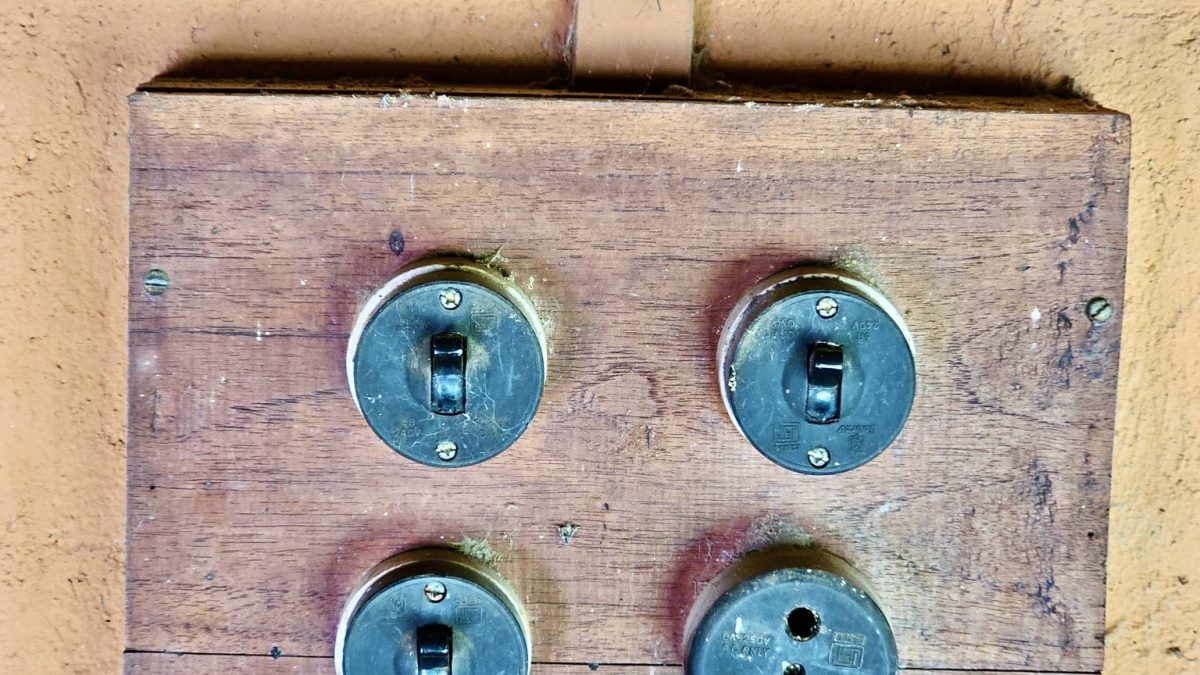
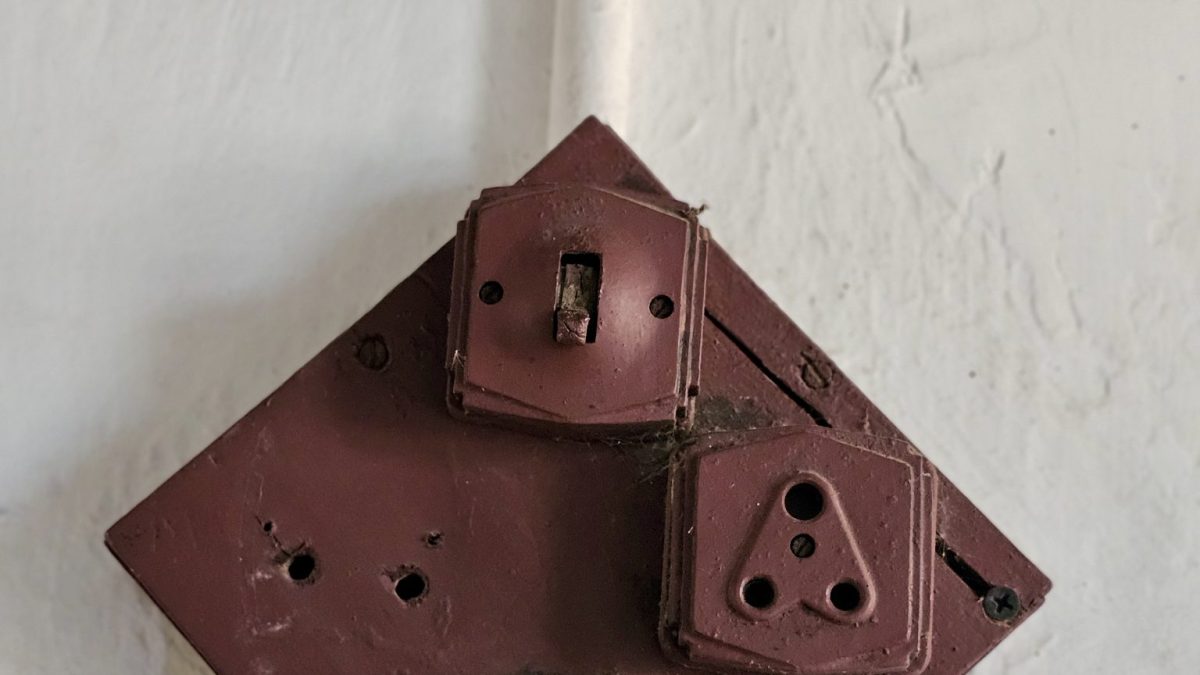
Switch and socket faceplates span a genuine range from basic, functional designs to premium finishes (metal, designer ranges, integrated USB charging ports) — and here, the price difference is more about appearance, tactile feel, and additional features than a fundamental safety difference, provided the underlying electrical mechanism meets basic safety standards regardless of price point. Choosing premium switch and socket faceplates for visible, prominent locations (a feature wall, a formal reception area) while using standard faceplates in less visible utility areas is a reasonable way to balance budget and appearance.
Conduit and Boxes: A Middle Ground
PVC conduit and junction boxes have some genuine quality variation — wall thickness, UV stability for any exposed sections, and impact resistance all vary between budget and premium product lines — but the practical difference for a properly installed, concealed residential wiring system is generally smaller than for the safety-critical items above, provided a reasonable minimum quality threshold is met.
A Practical Spending Framework
| Category | Where to prioritise quality spend |
|---|---|
| Circuit breakers | High priority — always source from a reputable, verifiable supplier |
| Cable | High priority — counterfeit cable is a well-documented market risk |
| Earthing components | High priority — the whole system's safety function depends on it working correctly |
| Conduit and boxes | Moderate priority — a reasonable minimum standard is sufficient for most concealed applications |
| Switch/socket faceplates | Discretionary — choose based on visible appearance priorities and budget |
How to Verify Quality When Buying
- Buy from established, reputable electrical suppliers rather than the cheapest available source with no verifiable track record.
- Look for recognised certification marks on breakers and cable where available.
- Be wary of prices that seem unusually low relative to the general market for the same stated specification — this is a common indicator of counterfeit or substandard product.
- Ask your electrician which brands they trust and have used reliably on previous projects.
Worked Example: A Balanced Spending Approach
A homeowner wiring a new 4-bedroom duplex, allocating budget deliberately:
- Circuit breakers, cable and earthing kit: sourced from a verified, reputable electrical supplier, at the higher end of typical market pricing for genuine assurance of quality — full premium allocation
- Conduit, boxes and general fittings: standard, mid-range quality from the same reputable supplier, meeting a reasonable minimum standard without paying for unnecessary extras — standard allocation
- Switch and socket faceplates in the sitting room and master bedroom: premium finish for visible appearance — premium allocation
- Switch and socket faceplates in utility areas, other bedrooms and hallways: standard, functional faceplates — standard allocation
This targeted approach concentrates the premium spend where it delivers genuine safety assurance or visible value, while controlling overall cost on items where the practical difference is smaller.
Balancing Cost Across an Entire Project's Fittings List
Rather than applying a single uniform quality standard across every fitting category on a project, a more cost-effective approach treats the overall fittings budget as a portfolio to be allocated deliberately, spending more where it matters most and controlling cost where the practical difference is smaller. This means concentrating verified-quality spend on breakers, cable and earthing components throughout the project, while being more flexible on switch and socket faceplate finish in less visible areas, and reserving premium faceplate finishes for the specific rooms where appearance genuinely matters most to the household.
This portfolio approach mirrors similar advice given elsewhere on this site for POP ceiling design tiers and painting grades — rather than a single blanket standard applied uniformly across an entire project, matching the specification level to what each specific item or room actually needs produces a better overall outcome for the same total budget than either uniformly premium or uniformly budget specification would achieve.
Frequently Asked Questions
How can I tell if electrical cable is counterfeit?
This can be difficult to assess visually — cable with reduced copper content beneath compliant-looking insulation is a documented concern in the Nigerian market. The most reliable protection is buying from an established, reputable supplier with a verifiable track record, rather than attempting to judge quality by eye.
Do premium switches and sockets last longer than standard ones?
Generally, yes, in terms of the mechanical action (switch feel, contact reliability) and finish durability, though a standard-quality product from a reputable manufacturer, properly installed, should still provide safe and reliable long-term service.
Is it worth paying more for a specific breaker brand?
For safety-critical protection devices, choosing an established, verifiable brand is a reasonable priority — the modest additional cost compared with an unverified generic product is well justified by the assurance it provides for a component whose entire function is safety-critical.
How should a fixed fittings budget be split across safety-critical and discretionary items?
Prioritise safety-critical categories (breakers, cable, earthing) for full budget allocation first, then decide discretionary faceplate and finish spending with whatever budget remains — this ordering ensures the areas with genuine safety consequences are never compromised to fund a purely aesthetic upgrade elsewhere.
Does this portfolio approach apply equally to a small renovation and a full new build?
Yes, the principle scales to any project size — even a small renovation touching only a few electrical points benefits from prioritising safety-critical component quality first, with discretionary finish choices made afterward within whatever budget remains for that specific, smaller scope.
How can a client verify that premium-priced fittings were actually used as agreed?
Ask to see packaging or invoices for the specific brands agreed before installation, and where practical, inspect a sample of installed faceplates or visible fittings against the agreed specification — this verification is harder for concealed items like cable and breakers, which is another reason sourcing trust and supplier reputation matter so much for those specific categories.
Is it reasonable to request itemised receipts for electrical materials from a contractor?
Yes, particularly on a cost-plus or partially self-managed project — itemised receipts let a client verify actual material cost against what was charged, and a contractor confident in their pricing should have no objection to providing this level of transparency.
Does buying in bulk across an entire project meaningfully reduce fittings cost?
Yes, particularly for standard items like conduit, junction boxes and cable, where a supplier can often offer a modest discount for a larger single order compared with multiple smaller purchases spread across the project — this is one practical advantage of pricing the entire fittings list upfront rather than buying incrementally as each stage of work proceeds.
Should discretionary faceplate spending be decided before or after the safety-critical budget is set?
After — determine the necessary spend on breakers, cable and earthing first, since these are non-negotiable safety requirements, and only then decide how much of the remaining budget can reasonably go toward premium faceplate finishes in the rooms where appearance matters most.
Is there a risk in mixing switch and socket faceplate brands across a single house?
Mostly an aesthetic consideration rather than a functional one, provided each brand's product meets basic safety standards — visible inconsistency in faceplate style or finish across adjoining rooms is sometimes noticeable, so many homeowners prefer to keep at least the visible, high-traffic areas consistent even while varying finish level between rooms of different priority.
What is the best single piece of advice for a first-time buyer navigating electrical fittings choices?
Prioritise verified quality for anything safety-critical and concealed, and treat visible finish choices as the area where personal preference and budget flexibility can reasonably apply — this single principle resolves most of the specific product-by-product decisions this guide covers.
Price Your Electrical Fittings and Accessories
The free Electrical Items Calculator prices breakers, boxes, conduit fittings, earthing kits and custom items with sets you can save and reuse. Wiring the whole house? Try the Electrical Wiring Calculator. Building from scratch? The Professional Estimator covers full electrical installation.
Open the Electrical Items Calculator →