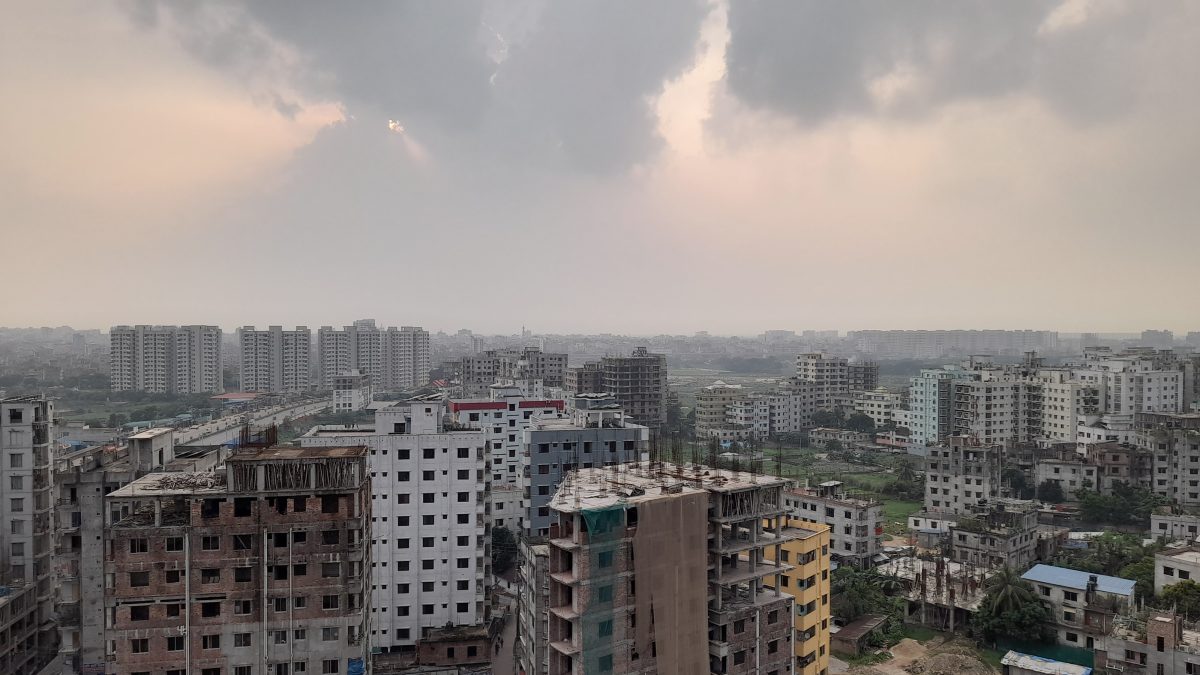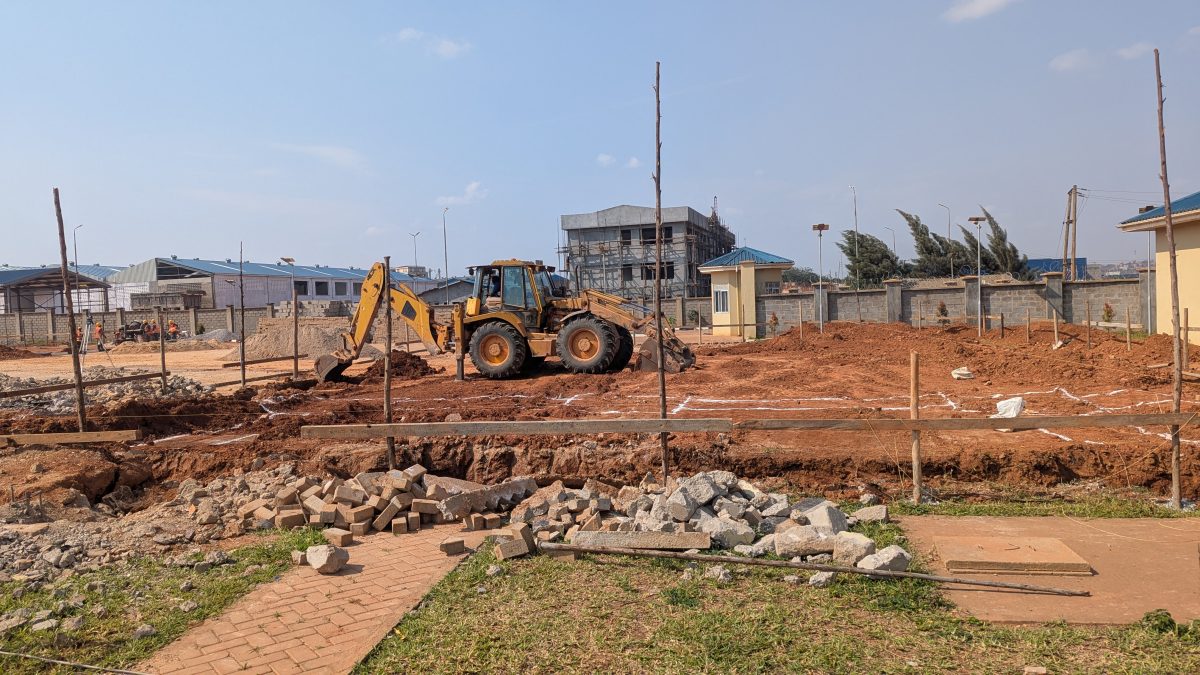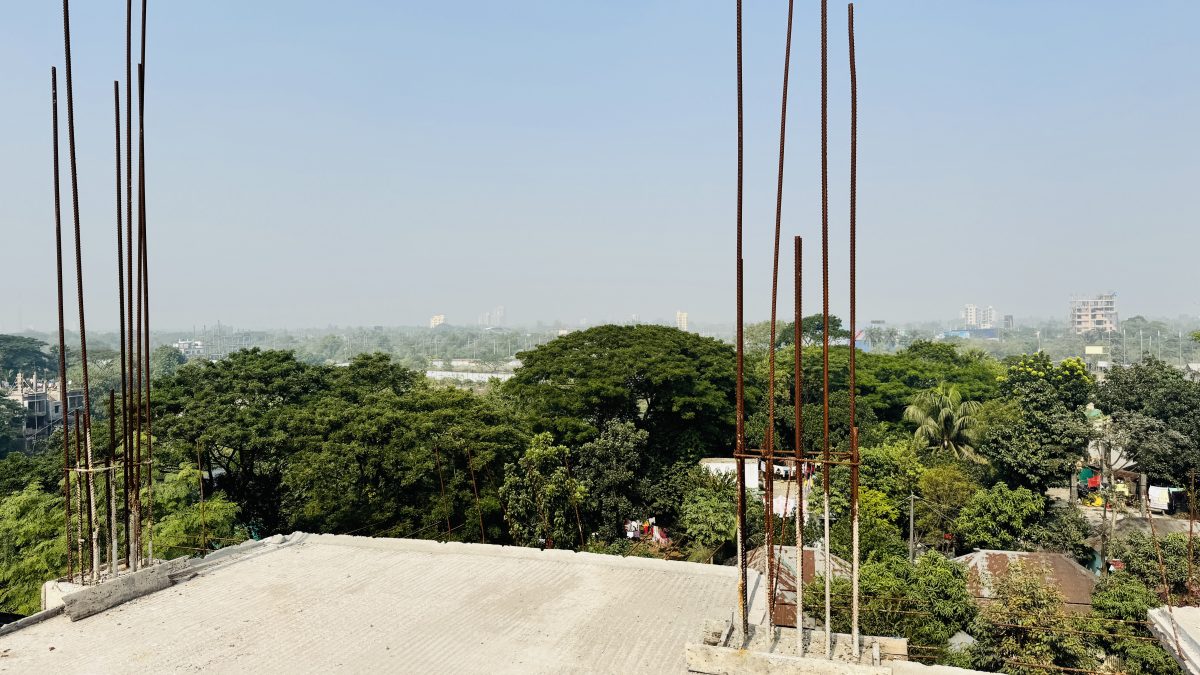
More Nigerian homes are going up with a concrete flat roof instead of a pitched roof with sheets. Some owners want to add another floor later. Others want a roof terrace, a safe place for water tanks and solar panels, or simply the modern box look. Whatever the reason, a flat roof is not "just a decking". It is a reinforced concrete slab, a screed laid to falls so rain runs off, a waterproof membrane, a parapet wall and outlets to carry the water away. Leave out any of these and the roof will leak.
Price the roof for your house
Enter your building size and roofing sheet type and get the full roof cost for your city.
Price my roof →This guide prices every part for a typical house, using the same method as our Roofing Calculator, so you can see where the money goes and which choices change the total.
The Short Answer
For a house with a 12 m × 10 m roof (120 m²), a complete concrete flat roof costs about ₦10.6 million, or about ₦88,000 per m², at our November 2026 base prices. That covers:
- a 150 mm slab in 1:2:4 concrete, mixed on site, with Y12 rods;
- timber formwork and props;
- a cement-sand screed laid to a 1:80 fall;
- two layers of torch-on bitumen membrane, turned up the walls;
- a 0.9 m block parapet, plastered both sides, with coping;
- three roof outlets and PVC downpipes.
Depending on your choices, the same roof costs between about ₦80,000 and ₦103,000 per m². The low end has lighter waterproofing. The high end is a tiled roof terrace. Smaller roofs cost a little more per m² and bigger ones a little less: about ₦90,000 per m² for a 10 × 8 m roof and ₦86,000 per m² for a 15 × 12 m roof.
These are indicative figures for budgeting. Prices differ between cities and suppliers, and your engineer's design decides the slab thickness, the rods and whether you need beams.
Where the Money Goes
Here is the full breakdown for the 12 × 10 m example:
| Item | Quantity | Materials | Labour |
|---|---|---|---|
| Roof slab concrete, 150 mm, 1:2:4 | 18.9 m³: 127 bags cement, 14 t sand, 26.3 t granite | ₦1,888,000 | ₦416,000 |
| Reinforcement, Y12 at 150/200 mm | 367 lengths of 6 m (about 1,950 kg) | ₦3,120,000 | ₦98,000 |
| Formwork and props, timber | 128.8 m²: about 118 boards, 88 lengths of 2×3, 120 props | ₦541,000 | ₦361,000 |
| Screed to falls, 1:3 | 120 m², 25 to 88 mm thick: 65 bags, 10.8 t sand | ₦858,000 | ₦144,000 |
| Torch-on membrane, 2 layers | 146.5 m² with upstands and laps: 30 rolls | ₦1,319,000 | ₦549,000 |
| Parapet wall, 9-inch blocks, 0.9 m | 44 m: 411 blocks | ₦528,000 | ₦59,000 |
| Plaster to parapet | 89.1 m² | ₦285,000 | ₦160,000 |
| Coping on parapet | 46.2 m | ₦116,000 | ₦46,000 |
| Outlets and downpipes | 3 outlets, 3 downpipes × 3.5 m | ₦51,000 | ₦16,000 |
| Total | ₦8,705,000 | ₦1,849,000 |
That is ₦10,554,000 in all. In round terms:
- The structure (slab, rods and formwork) is about 61% of the cost, about ₦53,500 per m².
- Falls and waterproofing are about 27%, about ₦24,000 per m².
- The parapet and drainage are about 12%, about ₦10,500 per m².
The prices behind these figures: cement ₦12,000 a bag, sharp sand ₦7,250 a tonne, granite ₦10,000 a tonne, Y12 rods ₦8,500 a length, 9-inch blocks ₦700, and torch-on membrane ₦4,500 per m² per layer. Labour is priced per unit of work: ₦22,000 per m³ for concreting, ₦50 per kg for bending and fixing rods, ₦2,800 per m² for formwork and ₦2,500 per m² for laying the membrane. Today's prices for your city are on our material prices page.
The Slab: Thickness, Mix and Rods
Thickness. 150 mm is the common choice for house roof slabs, especially when the roof may carry water tanks, people or a future floor. Some engineers specify 125 mm for short spans. On our example, 125 mm saves about ₦390,000. That decision belongs to your structural engineer, not the contractor.
Mix. 1:2:4 (about C20) is the usual mix for house slabs. If your engineer asks for 1:1.5:3 (about C25), expect roughly 27% more cement in the slab. Our guide to concrete mix ratios explains the difference.
Rods are the biggest single cost. In our example they come to ₦3.1 million, nearly a third of the whole roof, because we priced them by the 6 m length. Bought by the tonne, 1,950 kg at ₦0.8 to ₦1.1 million a tonne costs about ₦1.6 to ₦2.1 million. That could save you ₦1 million or more. Ask your supplier for a tonnage price and have the bar bending schedule checked before you order. Our rebar calculator works out the quantity.
Beams. Wider spans, or a roof that must carry a future floor, often need beams under the slab. Adding 225 × 300 mm beams along the walls of our example (44 m) raises the total to about ₦12.0 million, or ₦99,600 per m², because of the extra concrete, Y16 bars, links and formwork.
Formwork: Timber, Plywood, Steel Props or Metal
The formwork carries the wet concrete until it can hold itself. It must be level, strong and well propped. Here is how each system compares on our example:
| Formwork | Whole roof | Per m² |
|---|---|---|
| Timber planks on 2×3 joists, timber or bamboo props (first use) | ₦10.55m | ₦87,950 |
| Timber, used for a second time | ₦10.28m | ₦85,700 |
| Full metal system, hired for 3 weeks | ₦10.48m | ₦87,370 |
| Steel (Acrow) props hired, with timber or ply decking | ₦10.79m | ₦89,880 |
| Plywood on timber joists and props | ₦10.85m | ₦90,420 |
The difference is small, under ₦600,000 across all the options. So choose on quality, not on price:
- Timber is what most sites use. It is cheapest when the planks and joists are used again on your next floor or your next job.
- Plywood gives a smoother ceiling underneath, which means less plaster later.
- Steel props and metal systems are stronger and more even, need fewer props and are quicker to put up. They suit larger slabs and contractors who build often.
Whatever the system, leave the props in place long enough. Removing them early is one of the commonest causes of sagging and cracked slabs. Your engineer will give the time, which is often about 14 to 21 days for a roof slab. Keep the slab wet for at least 7 days after casting.
Falls and Waterproofing: Where Most Leaks Start
A flat roof is never truly flat. It needs a fall so water runs to the outlets instead of sitting in pools. Our example uses a cement-sand screed laid to a fall of 1 in 80. The screed is 25 mm thick at the outlets and about 88 mm at the far side, 56 mm on average. You can also cast the slab itself to falls, which saves the screed but needs a skilled crew.
The membrane is what keeps the water out. Here is how the options compare on our example:
| Waterproofing | Whole roof | Per m² |
|---|---|---|
| Torch-on bitumen membrane, 2 layers (base + mineral cap sheet) | ₦10.55m | ₦87,950 |
| Liquid membrane (polyurethane or acrylic) | ₦9.93m | ₦82,760 |
| Torch-on membrane, 1 layer | ₦9.71m | ₦80,930 |
| Cementitious waterproof coating, 2 coats | ₦9.57m | ₦79,710 |
For an exposed roof in Nigeria's sun and rain, two layers of torch-on membrane is the safest choice, and it costs only about ₦840,000 more than one layer on our example. Whichever system you choose:
- turn it up the parapet by at least 300 mm, and tuck the top edge under the coping or into a groove;
- overlap the sheets by about 100 mm and seal every joint;
- take extra care around outlets, pipes and tank stands, because that is where most leaks start;
- flood-test the roof with a few centimetres of water for 24 to 48 hours before you accept the work.
Our guide to damp-proofing and waterproofing covers membranes in more detail.
Using the Roof: Terrace Finishes
If people will walk on the roof, the membrane needs protecting. You can:
- lay a 40 mm protective screed over it;
- tile it (use anti-slip tiles on a screed bed);
- lay pavers;
- or, if no one will walk on it, paint a heat-reflective white or silver coating to keep the rooms below cooler.
A tiled roof terrace on our example, with ceramic anti-slip tiles on a 40 mm screed bed and a 1.0 m parapet for safety, comes to about ₦12.3 million, or ₦102,700 per m². A reflective coating adds only about ₦300,000.
Parapet and Drainage
The parapet protects the edge of the membrane, hides tanks and gives a safe edge. A 0.9 m parapet is common. If the roof will be used as a terrace, make it at least 1.0 m high. Leaving the parapet out saves about ₦1.3 million on our example, but you then need a proper roof edge detail and a guard rail if anyone goes up there.
Plan one outlet for roughly every 40 to 50 m² of roof, with at least two on any roof, so that one blocked outlet does not flood the roof. Keep a strainer on every outlet and clear leaves before each rainy season.
Site Mix or Ready-Mix?
Ready-mix concrete pumped into place costs more on a house-sized slab. On our example it adds about ₦820,000, which includes about ₦250,000 for the pump. In return the whole slab is poured in one go at a consistent strength, with fewer cold joints and less labour. For large slabs, upper floors, or cities where ready-mix plants are close, it is often worth it. Our guide to hand-mixed, machine-mixed and ready-mix concrete compares the options.
Six Mistakes That Make Flat Roofs Leak
- No fall, or too little. Water sits in puddles, and every small crack lets it in.
- Too few outlets, or outlets set too high. The outlet must sit at the lowest point of the screed.
- A membrane that stops at the floor. Without a 300 mm upstand, water gets in where the roof meets the parapet.
- Removing props too early, or not curing the slab, which leads to sagging and cracks.
- Tanks and solar frames fixed through the membrane without proper sealing.
- Skipping the flood test. It is the cheapest way to find a leak before you pay the contractor in full.
Flat Roof or Pitched Roof?
A pitched roof with aluminium or stone-coated sheets usually costs less to build and sheds rain without a membrane. A flat roof costs more, but it gives you a usable roof, a base for a future floor and somewhere secure for tanks and solar panels. If you go flat, budget for doing the waterproofing properly, and for checking and maintaining it every year. To compare the two for your own house, use the Roofing Calculator and switch between Flat roof and the pitched options. For sheet prices, see our roofing sheet price guide.
Frequently Asked Questions
How much does a concrete flat roof cost per m² in Nigeria?
About ₦80,000 to ₦103,000 per m² in November 2026 for a complete roof: slab, rods, formwork, screed to falls, waterproofing, parapet and drainage. About ₦88,000 per m² is typical for a 150 mm slab with two layers of torch-on membrane.
How much does it cost to deck a 3-bedroom bungalow?
A 3-bedroom bungalow often has a roof of about 100 to 140 m². At about ₦88,000 per m² for the complete roof, that is roughly ₦9 million to ₦12 million. The structure alone (slab, rods and formwork) is about ₦53,500 per m², or about ₦5.4 million to ₦7.5 million.
Is 125 mm thick enough for a roof slab?
It can be for short spans with light loads, but many engineers use 150 mm for house roofs, especially if the roof will carry tanks, people or a future floor. Follow your structural engineer's drawings.
Which waterproofing is best for a flat roof in Nigeria?
Two layers of torch-on bitumen membrane, turned up the parapet by at least 300 mm, is the most reliable choice for an exposed roof. Liquid membranes and cementitious coatings cost less but need careful application and more frequent recoating.
How long should formwork stay under a roof slab?
Your engineer will give the time, which is often about 14 to 21 days for a roof slab. Keep the slab wet for at least 7 days after casting.
Can I add another floor on a flat roof later?
Only if the columns, foundation and slab were designed for it from the start. Tell your engineer at the design stage, and keep the column starter bars protected until you build up.
Price Your Own Flat Roof
Enter your roof size in the free Roofing Calculator, choose Flat roof, and pick your slab, formwork, waterproofing and finish. You get every quantity and the cost, with materials and labour shown apart, and you can change any price to match your supplier.
Price My Flat Roof →