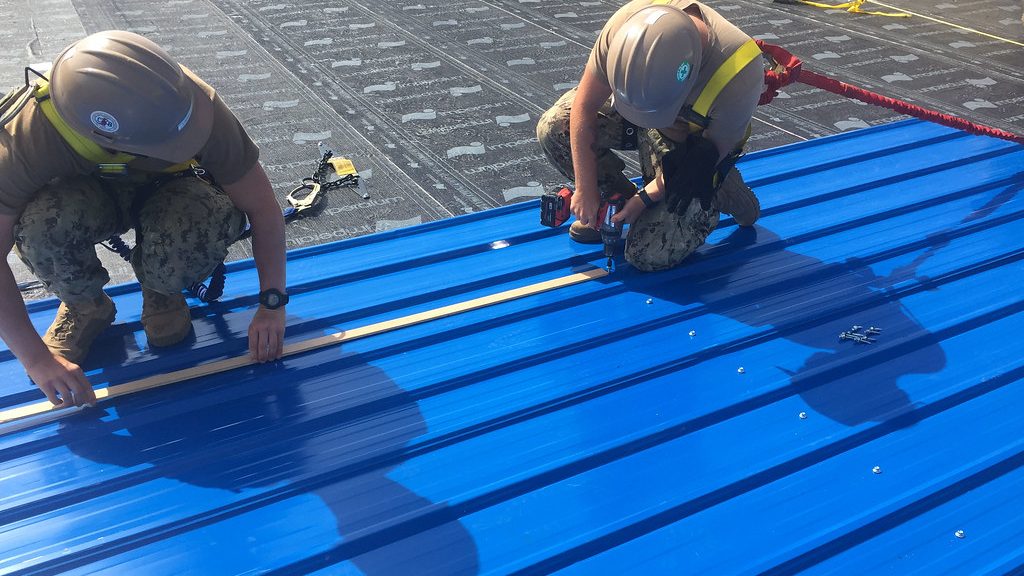
The roof is one of the most visible cost decisions on a Nigerian building — the difference between the cheapest and most premium roofing options for the same house can easily run into millions of naira. This guide sets out 2026 Nigerian pricing across the main roofing options, explains what drives the cost differences, and works through a complete worked example, using the pricing logic behind our free Roofing Calculator.
Roofing Sheet Prices, 2026
| Roofing type | Basis | Indicative price |
|---|---|---|
| Aluminium long-span, 0.45mm | Per sheet (~3m × 0.9m) | ~₦11,000 |
| Aluminium long-span, 0.55mm | Per sheet | ~₦15,000 |
| Aluminium long-span, 0.60mm | Per sheet (~₦7,400/m² derived) | ~₦20,000 |
| Aluminium long-span, 0.70mm | Per sheet (~₦9,600/m² derived) | ~₦26,000 |
| Stone-coated steel tile | Per m², installed | ~₦22,000 |
| Concrete interlocking tile | Per m², installed | ~₦7,000 |
| Clay roof tile | Per m², installed | ~₦10,000 |
Aluminium sheet thickness matters more than most first-time buyers realise: 0.45mm is the lightest and cheapest, adequate for a well-supported roof in a sheltered location, while 0.55mm and thicker gauges resist wind uplift, denting and long-term fatigue better — a real consideration in high-wind areas or for a roof expected to last decades without replacement. Stone-coated steel tiles combine a steel core with a stone-chip coating, giving a premium tiled appearance at a fraction of the weight (and often the cost) of real clay or concrete tile, which is why they have become popular on higher-end Nigerian residential roofs.
Roof Area vs Plan Area: Why Pitch Matters
Roofing material is priced by the actual sloped roof area, not the building's flat plan (footprint) area — and the two can differ substantially depending on roof pitch. A steeper pitch increases the actual roof area relative to the plan area beneath it:
| Roof pitch | Multiplier on plan area to get roof area |
|---|---|
| 15° | ~1.04× |
| 22.5° | ~1.08× |
| 30° | ~1.15× |
| 45° | ~1.41× |
A 45° pitch roof needs 41% more roofing material than the building's plan area would suggest — a difference easily missed by someone estimating from floor area alone rather than the actual roof geometry.
Wastage and Overlaps
Roofing sheets overlap at their edges and ends to shed water properly, and this overlap is not "wasted" material in a structural sense but does mean the effective covering area of each sheet is less than its full physical dimensions. Add a further wastage allowance — typically 5–10% — for cutting sheets to fit hips, valleys and irregular roof shapes. Skipping this allowance is one of the most common causes of a roofing order falling short mid-installation, at which point matching the original batch's colour and profile exactly can be difficult.
Worked Example: A 3-Bedroom Bungalow Roof
A bungalow with a plan footprint of 120 m² and a 30° hip roof, using 0.55mm aluminium long-span sheets:
- Roof area: 120 × 1.15 = 138 m²
- Sheet coverage area (~3m × 0.9m sheet, accounting for overlap, effective ~2.5 m² per sheet): 138 ÷ 2.5 ≈ 55.2 sheets, round up with 7% wastage to ~59 sheets
- Sheet cost: 59 × ₦15,000 = ₦885,000
- Ridge capping (allow 22m of ridge/hip line at ₦4,500/m): ₦99,000
- Truss and purlins (steel truss, allowance ~₦3,500/m² of roof area): 138 × 3,500 = ₦483,000
- Fascia (perimeter ~44m at ₦2,200/m): ₦96,800
- Gutters (perimeter ~44m at ₦5,000/m): ₦220,000
- Fixing labour (₦3,500/m² of roof area): 138 × 3,500 = ₦483,000
Total roof cost: roughly ₦2,266,800 for this bungalow using mid-grade aluminium. Switching to stone-coated tile at ₦22,000/m² installed would push the covering cost alone to roughly ₦3,036,000, before truss, fascia and guttering — illustrating how much roofing choice alone can move the total roof budget.
Common Roofing Estimating Mistakes
- Estimating from plan area instead of roof area. Always apply the pitch multiplier — skipping it understates material need by 10–40% depending on pitch.
- Forgetting ridge, fascia and gutter costs. The sheet cost is only part of a complete roof budget; these finishing items add a meaningful percentage on top.
- Comparing sheet gauges without checking wind exposure. A thinner, cheaper gauge that is adequate in a sheltered inland location may be undersized for a coastal or exposed high-rise application — check local wind loading guidance or ask a roofing contractor familiar with the area.
- Under-allowing for wastage on complex roof shapes. A simple gable roof needs less wastage allowance than a roof with multiple hips, valleys and dormers — adjust the allowance to the actual roof complexity.
Regional Roofing Considerations Across Nigeria
Roofing specification should respond to local climate and environmental conditions, not follow a single national default. Coastal areas — Lagos, Port Harcourt, Calabar and similar high-humidity, salt-air locations — place extra demand on roofing material's corrosion resistance, since salt-laden air accelerates the breakdown of unprotected or poorly coated metal roofing over time. In these locations, a thicker aluminium gauge, a fully hot-dip galvanised steel truss rather than a mild-steel one, and careful attention to fixing quality all pay for themselves in extended roof life compared with the same specification used inland.
Northern Nigerian states, by contrast, deal less with salt-air corrosion but more with intense solar heat gain and, in some areas, significant wind-driven dust that can accelerate wear on roofing surfaces and clog guttering more quickly than in the south. Reflective or lighter-coloured roofing finishes are sometimes preferred in these areas for their heat-reflective properties, reducing the amount of solar heat transferred into the roof void and, in turn, into the living space below — a genuine comfort and, over time, energy-cost consideration in Nigeria's hottest regions.
Wind loading also varies regionally and should be confirmed with a structural engineer familiar with local conditions rather than assumed from a generic guideline — coastal and certain elevated inland locations can experience meaningfully higher wind loads than a sheltered inland site, which affects both the required fixing specification and, in some cases, the minimum acceptable sheet gauge for adequate wind-uplift resistance.
Frequently Asked Questions
Which roofing sheet gauge should I use?
0.45mm is the lightest and most economical option, suitable for a well-supported roof in a sheltered area on a budget; 0.55mm or thicker is a common mid-to-premium choice that better resists wind uplift and long-term fatigue, and is often preferred for a roof intended to last many years without replacement.
Is stone-coated roofing worth the extra cost over aluminium?
It gives a distinctive tiled appearance and good durability, and many owners consider it worth the premium purely for aesthetics on a prominent building. From a pure cost-per-square-metre standpoint it is significantly more expensive than aluminium sheet — the decision comes down to appearance priorities and budget rather than a clear-cut cost argument.
How long does it take to install a roof on a typical bungalow?
Once the truss structure is complete, sheeting a straightforward bungalow roof typically takes a small experienced crew a few days for aluminium sheet, longer for tile roofing given the additional handling and fixing time per unit compared with a large sheet covering the equivalent area in one piece.
Can I install roofing sheets myself to save on labour cost?
This is not recommended without proper experience — correct overlap, fixing spacing and flashing detail all require specific knowledge to execute safely and weatherproof correctly, and mistakes are often invisible until the first heavy rain reveals them, by which point remedial work costs more than the labour saving would have been worth.
Does roofing cost include the ceiling below it?
No — the ceiling (POP, PVC panel, or plasterboard) is priced and installed separately from the roof structure and covering above it. See our POP Ceiling Calculator for pricing that finish independently, since it is a distinct trade with its own materials and labour requirements.
What is the typical lifespan difference between roofing gauges?
A thicker gauge generally resists denting, fatigue and long-term wind stress better than a thinner one, translating into a longer realistic service life before replacement becomes necessary, though actual lifespan also depends heavily on fixing quality, maintenance and local weather exposure rather than gauge thickness alone.
How much roofing wastage should I allow?
5% for a simple gable or hip roof with straightforward geometry, up to 10% or more for complex roofs with multiple hips, valleys and irregular shapes that need more cutting and fitting around junctions.
Does roof colour affect indoor temperature?
Yes, meaningfully — darker roofing colours absorb more solar heat than lighter, reflective finishes, and this heat transfers through the roof structure into the ceiling void and, to some degree, the living space below, particularly where ceiling insulation is minimal. In Nigeria's generally hot climate, this is a genuine comfort consideration worth weighing alongside pure aesthetic preference, especially in the hottest regions of the country.
How do I calculate the number of ridge caps needed?
Measure the total length of every ridge and hip line on the roof (where two roof slopes meet at the top or at an angled corner), then divide by the ridge cap's covered length per piece, adding a small allowance for overlap at joints, similar in principle to how wall coping is calculated for a fence.
Price Your Roof, Sheet by Sheet
The free Roofing Calculator prices aluminium, stone-coated and tile roofing with your pitch, wastage and truss type. Fixing a leaking roof instead? Try the Repairs Calculator. Building the whole house? The Professional Estimator includes the complete roof structure and covering.
Open the Roofing Calculator →
