Electrical faults are consistently among the leading causes of house fires in Nigeria, and the overwhelming majority trace back to a well-known, entirely avoidable set of wiring mistakes rather than genuinely unforeseeable failures. This guide covers the five most common, using the specification categories in our free Electrical Wiring Calculator.
Mistake 1: Undersized Cable for the Actual Load
Using standard light-duty cable on a circuit carrying a heavy load — an AC unit, a cooker, multiple appliances sharing what should be a dedicated circuit — causes the cable to run hotter than it is rated for, degrading its insulation over time and creating a genuine fire risk at the cable itself or at its termination points. Cable size should always match the specific circuit's actual current draw, confirmed against the appliance's rated load, not chosen to minimise material cost.
Mistake 2: Overloading Circuits and Distribution Boards
Running too many high-load appliances from a single circuit, or continuing to add sockets and appliances to an existing circuit without confirming it has spare capacity, is a common way an originally adequate installation becomes a genuine overload risk over time. This often happens gradually — one more socket added here, a fan point there — until a circuit designed for a modest original load is carrying significantly more than it was ever sized for.
Mistake 3: Poor or Missing Earthing
Proper earthing provides a safe path for fault current to flow, protecting people from electric shock in the event of an insulation failure or fault — an inadequate or missing earthing system removes this protection entirely, turning a fault that should safely trip a breaker into a genuine shock or fire hazard. Earthing should be properly installed and tested as part of any electrical installation, not treated as an optional or lower-priority item.
Mistake 4: Using Substandard or Counterfeit Electrical Materials
The Nigerian market has a documented problem with substandard and counterfeit electrical cable, switches and accessories that fail to meet proper specification despite appearing similar to genuine products — cable with inadequate copper content or undersized conductors beneath compliant-looking insulation is a particular concern. Sourcing electrical materials from reputable suppliers with verifiable quality, rather than choosing purely on the lowest available price, is a genuine safety decision, not just a quality preference.
Mistake 5: DIY Wiring Without Proper Qualification
Electrical wiring, unlike many other home improvement tasks, has direct and serious safety consequences when done incorrectly — improper connections, inadequate insulation, or incorrect circuit protection sizing are not always visually obvious defects, and can remain a hidden risk for years before manifesting as a fault. Wiring work should be carried out by a properly qualified electrician, not attempted as a DIY cost-saving measure, particularly for anything beyond the simplest fixture replacement.
An Electrical Safety Checklist
- Cable size matches the actual current draw of each specific circuit, confirmed against appliance ratings for heavy loads.
- Circuits and the distribution board have adequate spare capacity, not loaded to their absolute maximum.
- Earthing is properly installed and tested as part of the complete installation.
- Electrical materials are sourced from reputable suppliers with verifiable quality standards.
- All wiring work is carried out by a properly qualified electrician.
Recognising Counterfeit Electrical Materials in the Market
Beyond the general advice to buy from reputable suppliers, a few practical checks can help identify potentially substandard or counterfeit electrical cable and breakers before they are installed. Genuine cable should have consistent, clearly printed markings along its length indicating size, voltage rating and manufacturer — inconsistent, smudged or missing markings are a warning sign. Weighing a sample length of cable against the manufacturer's published specification can also reveal under-specified copper content, since counterfeit cable often uses less copper than its labelling claims while maintaining a similar external appearance.
For circuit breakers, purchasing from an authorised distributor rather than an unverified market stall, and checking for consistent build quality, proper markings and a reasonable weight for the stated rating, are all practical safeguards. When in doubt about a specific batch of materials, a qualified electrician familiar with the local market can often spot warning signs that an untrained buyer would miss, making their involvement in the procurement decision, not just the installation, a worthwhile safeguard on a significant project.
Frequently Asked Questions
How can I tell if my home's wiring is overloaded?
Warning signs include frequently tripping breakers, warm or discoloured socket faceplates, a burning smell near outlets, or flickering lights when multiple appliances run simultaneously — any of these warrant a professional electrical inspection promptly rather than being ignored.
How often should home electrical wiring be inspected?
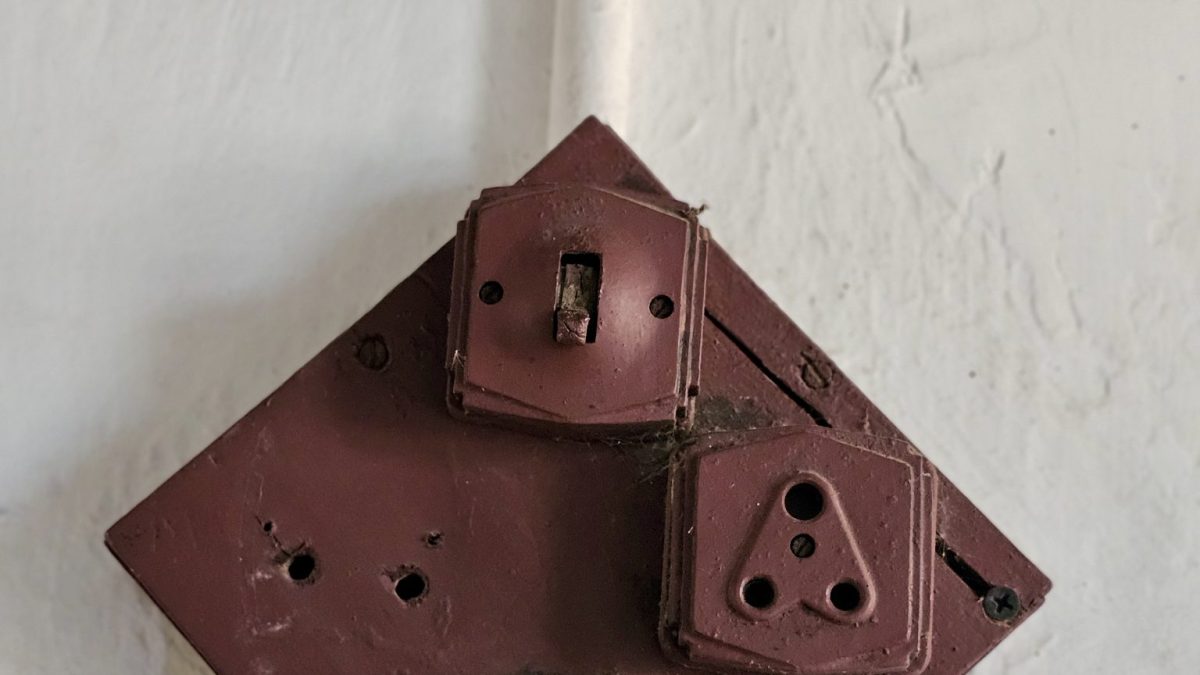
There is no single mandatory interval in most residential contexts, but a periodic inspection every few years, or immediately if any warning signs appear, is good practice — older properties with wiring of unknown age or history particularly benefit from a professional assessment.
Is it safe to add new sockets to an existing circuit myself?
This should be done by a qualified electrician who can confirm the existing circuit has adequate spare capacity for the addition — adding load without this confirmation risks overloading a circuit that was adequately sized for its original, smaller load.
How can I check if cable I've already purchased might be counterfeit?
Compare the printed markings against the manufacturer's known specification, check the cable's weight against published figures for genuine product of that size, and if in doubt, have a qualified electrician inspect a sample before it is installed — catching this before installation is far easier than after it is already concealed within a finished wall.
What is the risk of using a mix of genuine and counterfeit materials on the same job?
Even a small proportion of substandard material introduces a weak point into an otherwise sound installation, and because wiring is largely concealed once complete, a single counterfeit component can remain an undetected risk for years — consistency in sourcing quality materials throughout the entire installation, not just for the most visible items, is the safer approach.
How can a homeowner encourage safe electrical practice without technical expertise?
Insist on proper testing and certification, ask for material brand and sourcing information, and choose electricians with verifiable experience and references — a homeowner does not need deep technical knowledge to apply meaningful pressure toward safe practice simply by asking the right questions and expecting documented answers.
Does rewiring an older home follow the same principles as new construction wiring?
The underlying safety principles are identical, though rewiring an older home often involves additional challenges — outdated wiring that may not meet current standards, walls that need careful chasing without damaging existing finishes unnecessarily, and sometimes an older distribution arrangement that needs full replacement rather than simple extension.
Is it worth upgrading old wiring proactively, or only when a fault appears?
For wiring of genuinely uncertain age or condition, particularly in an older property with no clear installation records, a proactive inspection and, where warranted, upgrade is generally safer than waiting for a fault to appear, since electrical faults do not always announce themselves clearly before becoming a genuine fire risk.
What documentation should I request when buying a property to confirm wiring safety?
Ask for any available electrical test certificates, as-built wiring diagrams, and information about when the wiring was last inspected or upgraded — where no such documentation exists, budget for an independent inspection as part of the purchase due diligence rather than assuming the wiring is safe simply because it currently functions.
Can a licensed electrician's work still fail if materials are substandard?
Yes — proper workmanship and quality materials are both necessary, and a skilled, licensed electrician using substandard cable or breakers sourced from an unreliable supplier can still produce an installation with a hidden safety weakness, which is why material sourcing deserves attention alongside electrician qualification, not instead of it.
Should every Nigerian home have a residual current device (RCD) fitted?
RCDs provide an additional layer of shock protection beyond standard circuit breakers by detecting small current leaks that could indicate a fault or a person receiving an electric shock, and fitting them, particularly on circuits serving wet areas like bathrooms and kitchens, is considered good modern practice worth discussing with your electrician even where not strictly mandated by code.
Price Your Electrical Wiring
The free Electrical Wiring Calculator prices points, cabling, conduit and distribution boards for any house. Need switches, breakers and fittings too? Try the Electrical Items Calculator. Building the whole house? The Professional Estimator includes full electrical installation.
Open the Electrical Wiring Calculator →