The short version: fuel finally moved in the right direction this week. Diesel came down by ₦120 a litre, and petrol was reportedly cut and moved to a new pricing system. The naira lost a little more ground as year-end demand for dollars picked up. Cement and iron rod prices did not change. A housing advocacy group asked the government for a 100-day plan to bring material prices down, and the Army handed over 120 new homes in Abuja.
What would your own building cost?
Get a free itemised estimate for your city and finish level in about 2 minutes.
Estimate my building →1. Dangote Cuts Diesel to ₦1,720 a Litre
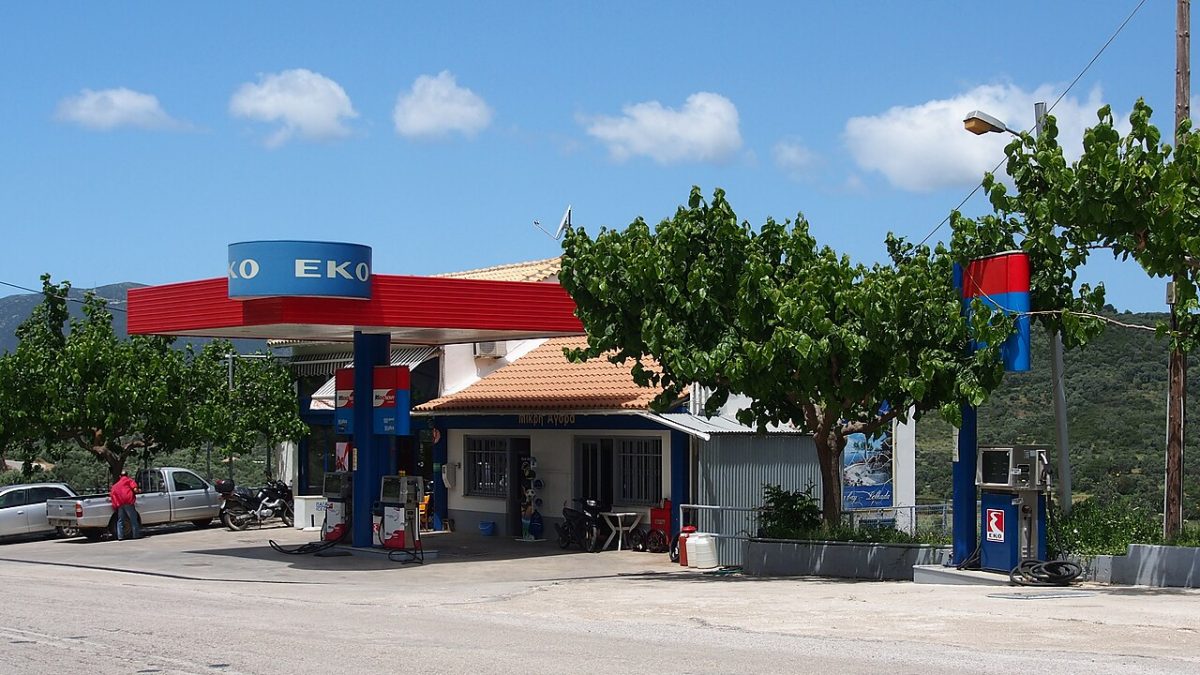
In our last edition, Dangote's diesel gantry price was ₦1,840 a litre, set on 28 October. On or around 10 November the refinery cut it by ₦120, to about ₦1,720 a litre, a drop of about 6.5% (Billionaires.Africa, 10 November). The same report says the competition regulator, the FCCPC, had been warning fuel sellers that their prices were not falling in line with crude oil.
That is the first real fall in diesel since early October. For a site that runs a 20 kW generator at half load for six hours a day, a ₦120 cut saves about ₦2,400 a day, or roughly ₦60,000 over a month of working days.
What this means for your budget: depots and filling stations do not always pass on a cut straight away, and delivered prices are always higher than the gantry price. A planning figure of about ₦1,800 a litre on site is now reasonable, down from the ₦1,900 we suggested two weeks ago. If your diesel supplier has not changed their price by the end of the month, ask why.
2. Petrol: A Lower Price and a New Pricing System
Petrol moved twice in a week. Dangote raised its gantry price to ₦1,300 a litre on 3 November. Then, according to industry sources, the refinery cut its petrol loading price to ₦1,250 a litre from 7 November, linked its price to international petrol prices, and reduced the group of marketers it sells through from 37 to 25 (Legit.ng). We have not seen an official statement from the refinery confirming the new price, so treat it as reported, not final.
What this means for your budget: a price linked to world petrol prices will move more often, in both directions. For small petrol generators, water pumps and site vehicles, plan on about ₦1,330 to ₦1,360 a litre at the pump until stations adjust.
3. The Naira Slips Past ₦1,350
The naira weakened a little further this week. It closed at about ₦1,350.86 per dollar in the official market on 10 November, after Nigeria's external reserves fell below $55 billion following nine straight days of decline (Legit.ng). The weighted average was ₦1,358.34 on 13 November (The Telegraph), before the naira firmed slightly to about ₦1,354 on 14 November. Street rates were around ₦1,390 to ₦1,435.
The usual end-of-year demand for dollars, for imports, school fees and travel, is part of the reason.
What this means for your budget: the naira has lost about 1.5% since mid-October, from about ₦1,333. That is a small move. It does not justify big price rises on imported items such as tiles, sanitary ware, aluminium windows or solar equipment. If you plan to buy imported finishes before the end of the year, getting a written quote now that is valid for 30 days is sensible.
4. Cement and Iron Rods: No Change
The latest cement listing we found is dated 7 November, from the price tracker Buildocrat. It shows a 50 kg bag in Abuja at ₦11,000 to ₦13,500, depending on the brand and the seller (Legit.ng). That is in line with the 15 October list of ₦12,600 to ₦13,100 for the main brands. Iron rods are still at about ₦800,000 to ₦1.1 million a tonne, depending on size, brand and city, and we found no newer figure this week.
Our material prices page shows the prices we use in every estimate, by city, with the date each price was last updated.
5. A Call for a 100-Day Plan to Cut Material Prices
The Housing Development Advocacy Network (HDAN) asked the federal government and the National Assembly to adopt a 100-day emergency plan to bring down the cost of building materials (Leadership). Its report blames expensive energy, transport, foreign exchange, high interest rates, weak industrial infrastructure and imports. It asks for:
- a national review of what building materials cost to make and distribute;
- a review of existing tax incentives for manufacturers;
- a national system for monitoring building material prices;
- more investment in cheaper local materials such as stabilised earth blocks.
The report also cites FCCPC figures putting Nigeria's cement production capacity at 60 to 65 million tonnes a year. We have not seen a government response yet.
What this means for you: nothing changes on site yet. But a published national price index would make it much easier to check whether a quote is fair. Until then, compare any quote you receive against a current price list, line by line.
6. New Homes in Abuja, and the Size of the Gap
The Nigerian Army handed over 120 three-bedroom homes for soldiers at Idu, Abuja, on 13 November. The Army says this brings the homes it has delivered nationwide to 700, and a third phase at Idu is due in the first quarter of 2027 (Nigeria Housing Market).
The scale of the need is much larger. Samuel Durojaye, chairman of Gateway Mortgage Bank, said this week that Nigeria needs to build about 700,000 homes a year for the next ten years to make a real dent in the housing deficit (Vanguard).
7. The October Inflation Figure Is Still to Come
As of 15 November, the National Bureau of Statistics had not yet published October's inflation figure. September's was 14.63%. Analysts expect October to come in lower, at about 13.6% (Coronation) to 14.0% (BusinessDay). Remember that the headline rate covers everything people buy. Building materials can move quite differently, as cement has shown this year.
New on the Site This Week
We added several tools this week for people who are about to build or are already building:
- Save calculator results to your project. The rebar, concrete, block wall, sand, excavation and labour calculators can now save their result as a budget line in Track My Build. Run the calculator again and it updates the same line.
- Quick add spending. In Track My Build, you can now say, snap or type what you spent ("50 bags of cement, 650k, yesterday") and it turns into entries for you to check and save.
- Documents. Keep your survey plan, approvals, drawings and receipts in folders inside each project, and choose who can see each file.
- Building and development proposals. Turn a quotation or estimate into a building proposal your client can sign, or a development proposal for an investor or bank.
What This Means for Your Project This Month
- Budget diesel at about ₦1,800 a litre on site, and petrol at about ₦1,330 to ₦1,360.
- Do not accept large exchange-rate increases. The naira has moved about 1.5% since mid-October.
- Budget cement at about ₦13,000 a bag plus delivery and get a dated quote before you buy in bulk.
- Buy imported finishes on a written quote that holds for at least 30 days if you plan to buy before Christmas.
- Record every payment as you make it. Prices are moving in small steps, and small steps add up over a build.
Frequently Asked Questions
What is the price of diesel in Nigeria now?
Dangote cut its diesel gantry price by ₦120 to about ₦1,720 a litre around 10 November. Depot and delivered prices are higher, so we suggest budgeting about ₦1,800 a litre on site.
What is the petrol price at Dangote now?
Industry sources say Dangote cut its petrol loading price to ₦1,250 a litre from 7 November and now links it to international petrol prices. The refinery has not confirmed this publicly. Pump prices are higher, at about ₦1,330 to ₦1,360 in many places.
Has the price of cement changed?
No. The latest listing we found, from 7 November, put a 50 kg bag in Abuja at ₦11,000 to ₦13,500 depending on the brand and the seller. Prices differ by city and dealer, so always get a dated quote that includes delivery.
What is the dollar to naira rate this week?
About ₦1,351 to ₦1,358 in the official market between 10 and 14 November, and about ₦1,390 to ₦1,435 on the street.
When will the October inflation figure come out?
The National Bureau of Statistics usually publishes it around the middle of the month. We will cover it in our next edition.
Turn These Numbers Into Your Own Budget
Headlines tell you where the market is; your project needs a figure. Get an itemised cost for your building in the free Professional Estimator, then track every payment against that budget in Track My Build. Already have a contractor's quote? Check it with the Quote Checker.
Start Your Free Estimate →