This week's quick take: the naira had a genuinely good week, but cement did not follow it down — a gap that's pushing experts to talk seriously about alternatives to cement itself, not just where to buy it cheapest. Here is the roundup for the week of 23–29 August 2026.
1. Cement Still ₦11,000–₦15,000/Bag — Experts Push Alternative Materials
A 50kg bag of cement is retailing for roughly ₦11,000–₦15,000 depending on brand, state, and point of purchase this week, with wholesale/depot pricing running lower at ₦9,000–₦10,500 and bulk trailer-load purchases as low as ₦8,000–₦10,000 (Legit.ng). That's still roughly 15-55% above where the same bag sold in January.
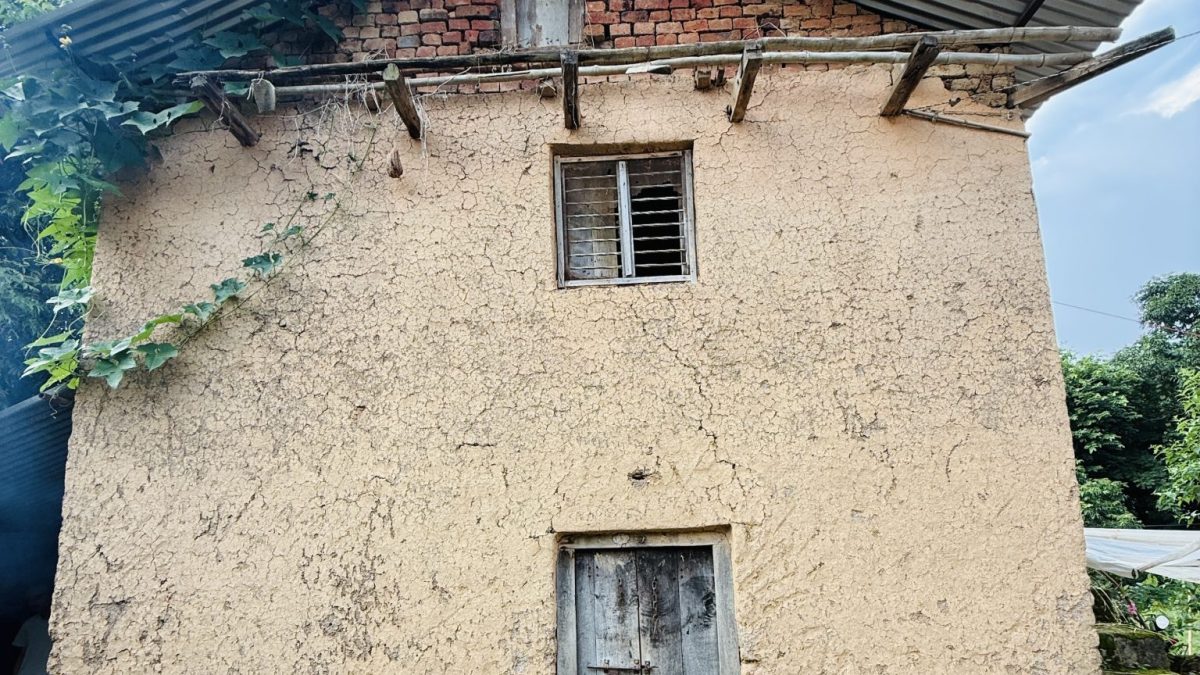
The sustained pressure has built-environment experts openly urging builders to look beyond cement altogether — pointing to compressed stabilised earth blocks, interlocking laterite blocks, clay bricks, bamboo, and precast components as materials Nigeria already has in abundance but underuses (Tribune Online).
What this means for your budget: for a conventional block-and-cement build, keep pricing your remaining cement needs at current rates rather than older estimates. If you have flexibility in your design (boundary walls, non-load-bearing partitions, outbuildings), it's worth at least pricing a laterite or CSEB alternative alongside your cement quote this quarter — the gap may be wide enough now to matter.
2. Naira Firms as External Reserves Hit a 17-Year High
Nigeria's external reserves reached $53.11 billion as of 24 August — the highest level since January 2009 — after growing $7.09 billion since the start of the year, a 15.6% expansion in under eight months (Nairametrics). That's more than 11 months of import cover, well above the international 3-month benchmark. The naira traded around ₦1,345.94/$1 officially and ₦1,407/$1 on the parallel market on 27 August (Vanguard).
What this means for you: a firmer, more stable naira should in theory ease pressure on imported items — sanitary ware, tiles, aluminium windows, electrical fittings. That it hasn't yet translated into cheaper cement (a locally-produced material) is exactly why this week's cost pressure is being read as a market-structure problem, not a currency problem — worth keeping in mind before assuming a strong naira alone will fix your budget.
3. Lagos's Shortlet Boom Is Quietly Shrinking the Long-Term Rental Market
Apartments across Victoria Island, Ikoyi, Lekki, and Ajah are increasingly being pulled out of conventional long-term letting and run as short-term rentals instead, as landlords chase the higher returns shortlets offer (Nigeria Housing Market). At the same time, more than 1,000 luxury apartments are currently under construction across Lagos, Abuja, and Port Harcourt, with Lagos accounting for most of that activity.
What this means for you: if you're building rental property in these corridors, it's worth explicitly deciding upfront whether you're designing for the long-term rental market or the shortlet market — the two want different things (furnishing standard, unit size, security, management overhead), and the profitable one right now is visibly shifting.
4. Developers Warn Rising Costs Threaten Affordable Housing Delivery
Real estate developers are warning that the sustained rise in cement and other material costs is making affordable housing increasingly difficult to deliver at scale, even as government continues to promote housing-access initiatives (Legit.ng).
It's the same tension underlying stories 1 and 3 above: material costs keep climbing, which pushes up the cost of new supply, which developers then either pass on to buyers/tenants or route toward higher-margin segments like shortlets and luxury apartments instead of affordable stock. None of this is new, but this week is a reminder that it's an active, worsening trend rather than a one-off headline.
Budgeting Against Prices That Keep Moving?
Whatever cement and block are selling for in your state this month, our tools stay current. Use the free Estimator and BOQ Tender for building costs, an Invoice Generator and Quotation Builder for client-facing paperwork, and Track My Build to keep a live site log your client can actually trust.
Start Your Free Estimate →