Demolition method choice in Nigeria comes down to more than simply which is faster — material recovery priorities, site access, and the proximity of neighbouring structures all genuinely influence which approach makes sense for a given job. This guide compares manual and mechanical demolition directly, using the pricing behind our free Demolition Calculator.
Manual Demolition
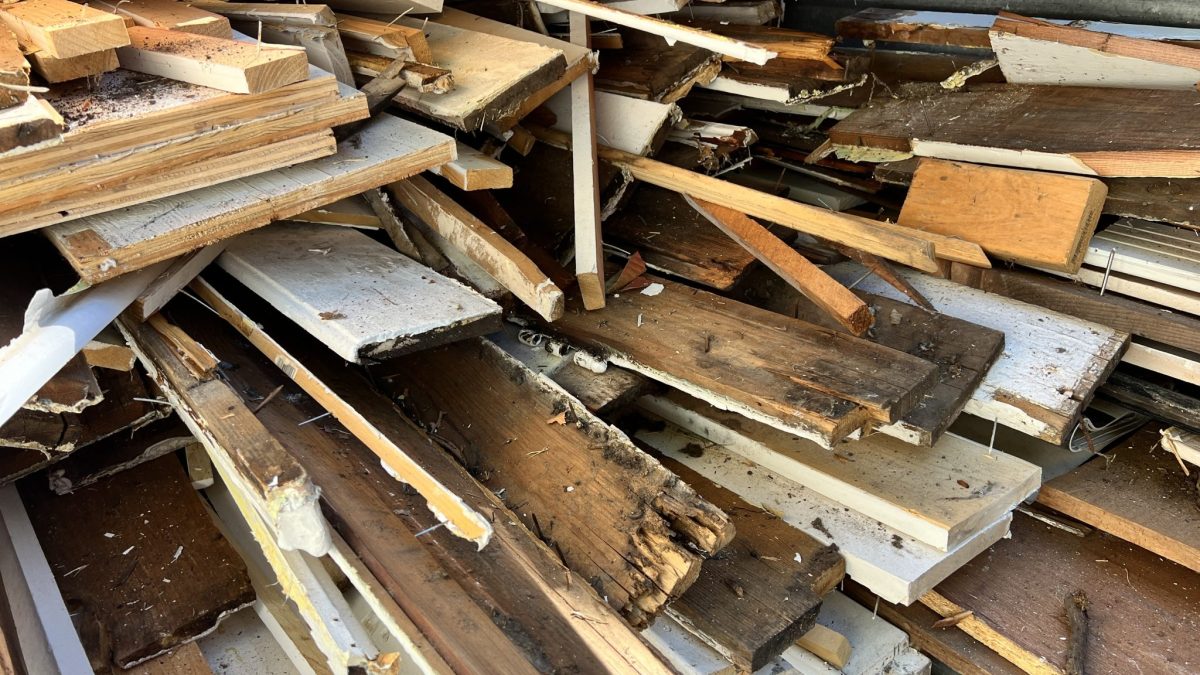
Manual demolition — using hand tools, pneumatic or electric breakers, and a labour crew to systematically dismantle a structure — is slower than mechanical demolition but offers meaningfully better control over the process. This control matters in two specific situations: where materials are being deliberately recovered for reuse or sale (doors, roofing sheets, timber, fittings, and cleanly separated scrap metal), and where the structure being demolished is close to a neighbouring building, boundary wall, or other structure that must not be damaged during the work.
Mechanical Demolition
Mechanical demolition, typically using an excavator fitted with a demolition attachment (breaker, shear, or grapple), is significantly faster for a straightforward, complete teardown of an isolated structure with adequate site access for the machine. It produces a mixed debris pile that reduces practical material recovery value compared with a carefully sequenced manual demolition, since sorting mixed rubble afterward for scrap recovery is its own labour-intensive task that can offset some of the speed advantage if recovery still matters.
Cost and Speed Comparison
| Factor | Manual demolition | Mechanical demolition |
|---|---|---|
| Speed | Slower — a bungalow can take 1–2 weeks | Faster — a bungalow can often be reduced to rubble in 1–3 days |
| Labour cost | Higher (extended crew time) | Lower (machine does the bulk of the work) |
| Equipment cost | Lower (breaker/compressor hire) | Higher (excavator with attachment hire, often with crane for larger elements) |
| Material recovery value | Higher (careful, sorted dismantling) | Lower (mixed debris pile) |
| Precision near neighbouring structures | High | Lower — riskier near close boundaries |
Site Access and Neighbouring Structures
Mechanical demolition needs adequate site access for an excavator to manoeuvre and operate safely — a tightly built-up urban plot with structures close on multiple sides may simply not have room for a machine to work without risking damage to neighbouring property. In these situations, manual demolition is not merely the more careful choice but often the only genuinely available one, regardless of cost or speed preference. Always assess actual site access and proximity to neighbouring structures before assuming mechanical demolition is an option.
Worked Comparison: A Detached Bungalow with Good Access
For an isolated 150 m² bungalow with clear site access on all sides:
- Manual: Labour (extended crew time over ~10 days) + breaker hire + careful sorting for scrap recovery. Gross cost higher in labour, but scrap recovery credit (as in our demolition cost guide worked example) can bring net cost down substantially — roughly ₦243,000 net in that example.
- Mechanical: Excavator + attachment hire (2–3 days) + reduced labour, but lower recovery value from mixed debris — gross cost may be lower upfront, but with a smaller scrap credit, net cost can end up comparable or in some cases higher than the manual approach, depending on the specific building's metal content.
The comparison genuinely depends on the specific building's recoverable material value — a structure with little recoverable metal favours mechanical demolition on pure speed and cost; a structure rich in steel reinforcement and aluminium roofing can make manual demolition's better recovery worth the extra time.
Common Mistakes
- Choosing mechanical demolition without checking site access first. Confirm an excavator can actually access and manoeuvre on the specific site before planning around it.
- Choosing manual demolition purely out of habit on a site with no recovery value and good access. This misses the genuine speed and often cost advantage mechanical demolition offers when recovery priority is low.
- Not budgeting extra time and cost for careful work near a boundary. Demolition near a neighbouring structure, regardless of method, needs a more careful and often slower approach than an isolated structure — price this in explicitly.
Sequencing Demolition Around Utilities and Adjacent Structures
Beyond the pure method choice, how demolition is sequenced relative to surrounding utilities and structures affects both cost and risk regardless of whether the work is manual or mechanical. Underground utilities — water pipes, sewer lines, any buried electrical conduit — need to be identified and either protected or properly capped off before heavy demolition equipment operates nearby, since damaging a buried service mid-demolition is both a genuine safety hazard and a source of unplanned additional cost to repair.
Where demolition is a precursor to new construction on the same footprint, sequencing the demolition to preserve any elements that will be reused — an existing boundary wall, a driveway, a septic tank still within its useful life — avoids the unnecessary cost and waste of demolishing something the new project would otherwise have kept. A brief walk-through with the new project's architect or engineer before demolition begins, specifically to flag anything worth preserving, is a low-cost step that can meaningfully reduce the combined demolition-and-rebuild cost.
Frequently Asked Questions
Can manual and mechanical demolition be combined on one job?
Yes, and this is common — manual dismantling of recoverable elements (roofing, fittings, doors) followed by mechanical demolition of the remaining structural shell, combining the recovery benefit of manual work with the speed of mechanical demolition for the bulk teardown.
How close to a neighbouring building can mechanical demolition safely work?
This depends on the specific machine, attachment and the structures involved — there is no universal safe distance, and a competent demolition contractor should assess the specific site conditions rather than applying a generic rule.
Does mechanical demolition always produce more debris to dispose of?
Not more debris overall, but debris that is harder to sort for recovery, meaning more of it ends up as disposal-only waste rather than sold as recovered scrap, compared with a carefully sorted manual demolition of the same structure.
How do I choose between competing demolition contractor quotes?
Compare method proposed, timeline, how scrap value is treated (kept by the contractor or credited to the client), and whether utility disconnection, permits and debris disposal are included or charged separately — a lower headline figure that excludes several of these items is not necessarily the more economical choice once a genuinely complete comparison is made.
Should I get a structural engineer's input before demolishing part of an existing building?
Yes, for any partial demolition where the remaining structure must continue to stand safely — removing part of a building without understanding how loads were originally distributed can compromise the stability of the sections left standing, making professional structural input essential rather than optional for anything short of a complete teardown.
How long does a typical bungalow demolition take from start to finish?
A straightforward mechanical demolition of an isolated bungalow can often be completed in a matter of days including debris clearance, while a fully manual, carefully sequenced demolition prioritising material recovery can take one to two weeks or more depending on the crew size and how much sorting and salvage is involved.
Should scaffolding be included in a demolition quote for a facade-only removal?
Yes, where the work involves partial removal of an upper facade or an element that needs safe access at height — scaffolding is priced separately in the same way it would be for a construction project, using the same categories covered in our Scaffolding Calculator, and should be explicitly itemised rather than assumed to be bundled into the demolition contractor's base rate.
What weather conditions should be avoided for demolition work?
Heavy rain reduces visibility and can affect ground stability for both workers and machinery, and strong wind can affect the stability of partially demolished structures or the safe operation of a crane — postponing demolition work during genuinely severe weather is a reasonable precaution rather than an unnecessary delay.
Does demolishing a building affect the land's existing survey or title documentation?
Demolition itself does not change land title or survey status, though any redevelopment plan for the cleared plot will need its own fresh planning approval process, which is a separate matter from the demolition permit itself and should be pursued alongside or after the demolition depending on local requirements.
Should I keep photographic records throughout the demolition process, not just before it starts?
Yes — progressive photographs through the demolition, particularly of any unexpected findings (buried structures, utility lines, ground conditions), create a useful record both for managing the current project and for informing the design of whatever is built next on the cleared site.
Price Your Demolition Job
The free Demolition Calculator prices cutting, breaking, debris removal and scrap recovery for any structure. Need scaffolding for the facade? Try the Scaffolding Calculator. Rebuilding afterward? The Professional Estimator prices the new build from the ground up.
Open the Demolition Calculator →
