Renovation projects — repainting, retiling a bathroom, replacing a section of flooring, minor electrical fixes — are often the first time a Nigerian homeowner buys their own tools rather than depending entirely on a contractor. It is genuinely more achievable than a full build, but only if you go in with the right kit and a realistic sense of which jobs are worth doing yourself.
Painting
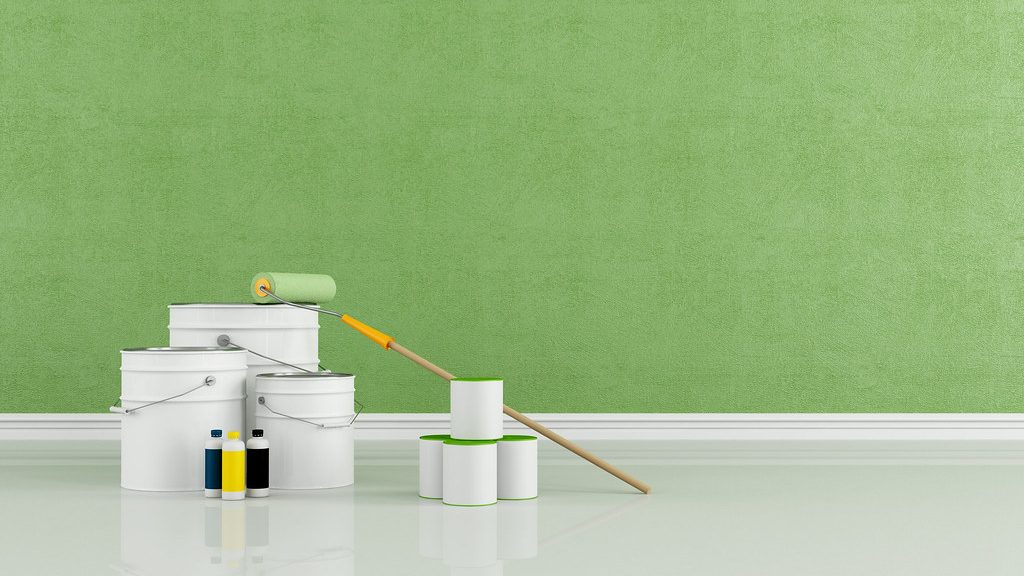
Rollers, brushes, a paint tray, masking tape, and drop cloths make up a basic painting kit for ₦8,000–₦15,000. This is genuinely one of the most DIY-friendly renovation jobs in Nigeria — the skill ceiling is low, mistakes are forgiving, and the tool investment is modest relative to the labour cost you save doing it yourself.
Tiling
A tile cutter, notched trowel, spacers, a rubber mallet, and a grout float run ₦15,000–₦30,000 depending on tile cutter quality — a cheap manual cutter struggles with porcelain specifically, so if you are tiling anything harder than standard ceramic, budget for a better cutter or consider hiring one for the job rather than buying outright.
Minor Carpentry
A hand saw, drill driver, sandpaper, wood glue, and clamps cover most small carpentry fixes — shelving, minor repairs, cabinet adjustments — for around ₦45,000–₦60,000, with the cordless drill being the bulk of that cost. This is the one item worth buying rather than borrowing even for a single project, since it is genuinely useful for years of ordinary home maintenance afterward.
Minor Electrical
A voltage tester, insulated screwdrivers, and wire strippers cost relatively little — ₦8,000–₦15,000 — but this is also the category where "minor" DIY has the highest downside if done wrong. Swapping a socket or light fixture with the circuit properly isolated is reasonable DIY territory; anything touching the distribution board or main wiring is not, regardless of how confident the YouTube tutorial made it look.
What to Hire Instead of Buy
Some renovation jobs need equipment that makes no financial sense to own for a single project: a concrete mixer for a small slab job, an angle grinder for occasional cutting work, or scaffolding for exterior repainting. Renting these for the days you actually need them is almost always cheaper than buying outright, and Nigerian equipment rental for this kind of short-term need has become considerably more accessible in recent years.
When to Just Hire a Professional
Structural changes (removing or altering a load-bearing wall), roofing work, and anything involving the main electrical distribution board are not good DIY candidates regardless of tool budget — the risk of getting it wrong is disproportionate to what you save in labour cost. Be honest with yourself about where genuine DIY territory ends; the tools listed above are for the jobs where a mistake costs you materials and time, not structural safety.
A Realistic Starter Kit
If you are renovating for the first time and want one flexible kit rather than task-specific tools, a cordless drill (₦45,000), a basic hand tool set (₦18,000), a tape measure and spirit level, and painting supplies covers the majority of common Nigerian renovation tasks for under ₦90,000 — a kit that will keep earning its cost back on every small home fix for years after the original renovation is finished.
Room-by-Room Renovation Costs Beyond Tools
Tools are only ever a small fraction of what a renovation actually costs — materials and labour (where you hire it) dominate. A bathroom retiling job, for instance, might need ₦20,000–₦30,000 in tools if you do not already own them, against ₦200,000–₦600,000 in tiles, adhesive, grout and fittings depending on finish level and bathroom size. Repainting a mid-sized room runs ₦8,000–₦15,000 in tools against ₦40,000–₦90,000 in paint and materials. Keeping this ratio in mind helps set realistic expectations: buying good tools does not meaningfully change your renovation budget, but buying bad ones can meaningfully hurt your results.
Sequencing a DIY Renovation Properly
A common DIY mistake is tackling rooms in whatever order feels most urgent rather than in the order that avoids redoing work. Electrical and plumbing fixes (within safe DIY scope) should happen before wall repairs and painting, since chasing a wall for a cable run after it has been freshly painted means repainting. Flooring generally comes after painting, to avoid drips and splatter damage on a finished floor. A little sequencing thought upfront saves both materials and the frustration of redoing finished work.
Tool Maintenance for a Multi-Weekend Project
Renovation projects tackled DIY often stretch across multiple weekends rather than a continuous timeline, which means tools sit unused between sessions — batteries for cordless drills lose charge, and metal tools left in humid Nigerian conditions can develop surface rust if not stored properly. A simple habit of storing tools in a dry container or bag between sessions, and giving batteries a top-up charge before each weekend's work, avoids the frustration of starting a session only to find your main tool is not ready to use.
When Renovation Reveals Bigger Problems
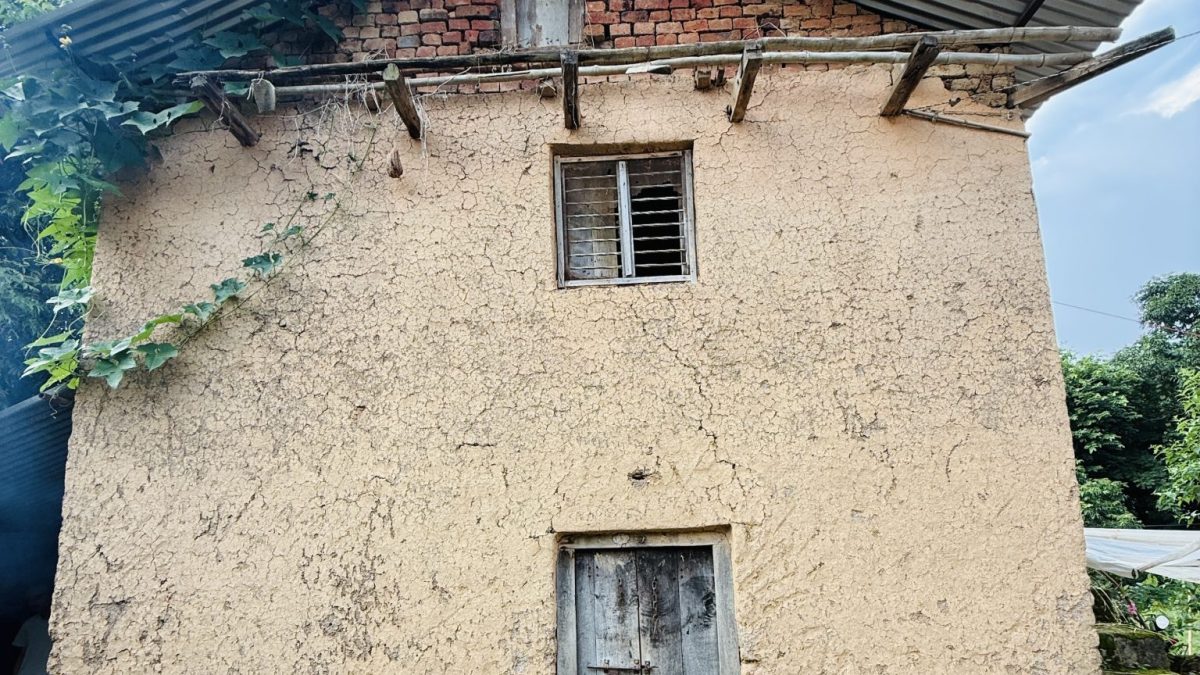
It is common for a simple renovation — repainting, say — to reveal a larger issue once work starts: damp patches behind old paint, cracked plaster hiding a deeper wall issue, or wiring that looks older and less safe than expected once a fixture is removed. Budget some flexibility into both your tool kit and your overall renovation budget for this possibility — a project that stays purely cosmetic throughout is the exception, not the rule, once real work begins on an older Nigerian home.
Tool Sharing and Borrowing Considerations
For a single, modest renovation, borrowing tools from family or friends rather than buying is a reasonable way to avoid upfront cost — but be deliberate about it: agree on return timing and condition expectations upfront, since a borrowed power tool returned damaged or simply not returned promptly is a common, avoidable source of friction. For anything beyond the most basic hand tools, buying your own remains the more reliable option if the renovation has any real timeline pressure, since a borrowed tool's availability is not fully within your control.
Safety Considerations Specific to Renovation
Renovation work in occupied or partially-occupied homes carries its own safety wrinkles that new-build construction does not — dust control matters more when family members are living in adjacent rooms, and old paint in pre-2000s Nigerian buildings can occasionally contain lead, worth considering before aggressive sanding or scraping without basic dust protection. A simple dust mask and good ventilation are cheap additions (under ₦3,000) worth including even for "just painting" jobs.
Tool Storage Between and During Sessions
Since DIY renovation often happens in a still-occupied home, secure, tidy tool storage between work sessions matters more than on a new-build site where the whole property is a work zone. A dedicated lockable tool box or bag (₦5,000–₦10,000) keeps tools both safe from misplacement and away from children or household members who should not be handling them, which is a genuinely practical consideration a new-build tool budget rarely needs to think about.
Estimating Total Renovation Cost Properly
Once tools are sorted, the bigger planning task is pricing the renovation work itself — materials, any hired labour for portions beyond your DIY scope, and realistic contingency for the "bigger problem" scenario discussed above. Our Renovation Calculator is built specifically for this, letting you price common Nigerian renovation scenarios without needing to build a full new-construction BOQ for what is fundamentally a different kind of project.
Tooled Up? Price the Renovation Too
Get your tools from our Building Tools Store, then use the Renovation Calculator to price the actual work.
Visit the Store →