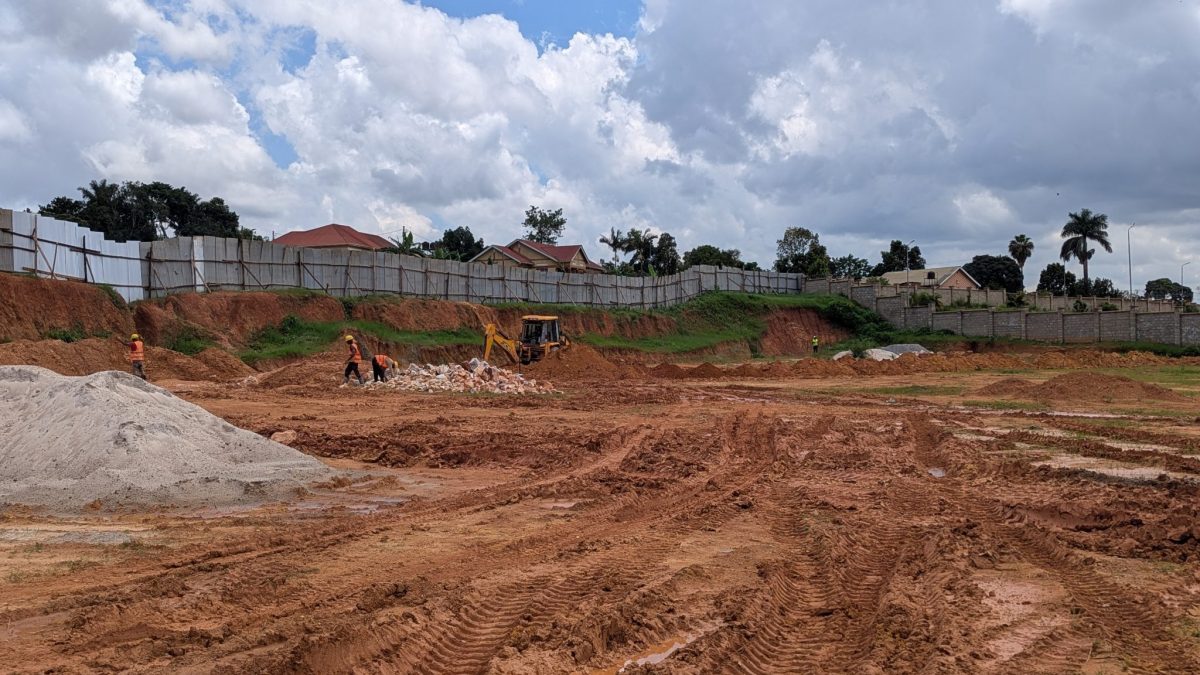
It is a particularly frustrating kind of delay: a project stalled before a single foundation trench has been dug, because site clearance was underestimated, mispriced or poorly planned. This guide walks through the five mistakes that most often cause this, and how to avoid each one using the same approach behind our free Site Clearance Calculator.
Mistake 1: Pricing the Job Without Walking the Site
The single most common mistake is quoting site clearance from a description — "it's a grassy plot" — without a physical site visit. Vegetation that looks manageable from a photo or a passing description can turn out to include mature trees, thorny undergrowth, or ground littered with old building rubble once actually walked. Always insist on a site visit before accepting a fixed clearance quote, and be wary of any contractor willing to give a firm price sight-unseen on anything but the smallest, most obviously simple plot.
Mistake 2: Forgetting Stump Removal in the Budget
Tree felling gets remembered because it is dramatic and visible; stump grubbing is often forgotten because it happens quietly afterward, is slower and less visually impressive, and is sometimes assumed to be "included" in felling when it was never actually quoted separately. A plot with several mature trees can have thousands of naira of stump-removal work that surfaces as a surprise variation once excavation crews discover the stumps are still in the ground and blocking the planned trench line.
Mistake 3: Skipping the Permit and Regulation Check
Several Nigerian states have local regulations around felling trees above a certain size or of certain protected species, and clearing land near waterways or in designated green areas can trigger environmental review. Felling first and asking questions later risks a stop-work order, a fine, or a requirement to replant — all of which cost far more in delay than the modest time it takes to check local requirements before clearing begins.
Mistake 4: No Plan for Debris Disposal
Cleared vegetation and rubble have to go somewhere, and a contractor who has not planned where — an approved dump site, a burn permit if burning on site, or a haulage arrangement — can leave a plot half-cleared with a mountain of debris blocking access for the next stage of work. Confirm the disposal plan explicitly before clearance starts, not after the vegetation is already down and piled up with nowhere to go.
Mistake 5: Scheduling Clearance Too Close to the Start of Excavation
Site clearance, particularly on a moderately or heavily vegetated plot, can take several days to a week or more — longer if tree felling and stump grubbing are involved, longer still if rain interrupts manual labour work. Scheduling excavation to start the day after clearance "should" finish leaves no buffer for the inevitable slippage, and a delayed clearance pushes back every subsequent trade on the project. Build a realistic buffer into the schedule, informed by an honest assessment of the plot's actual condition rather than an optimistic best case.
Putting It Right: A Pre-Clearance Checklist
- Walk the site personally or send someone who can accurately describe vegetation density, tree count and size, and any existing rubble.
- Get an itemised quote covering bush clearing, tree felling, stump grubbing, rough levelling and debris disposal as separate lines.
- Check local regulation on tree felling and land clearance near waterways before work starts.
- Confirm the debris disposal plan and where cleared material will actually go.
- Build a realistic time buffer into the schedule based on actual plot condition, not a best-case estimate.
What to Do If Clearance Reveals an Unexpected Problem
Occasionally, clearing a long-overgrown or previously undeveloped plot reveals something the owner did not anticipate — an old, buried foundation or septic tank from a structure that once stood on the land, an unusually high water table revealed once vegetation cover is removed, evidence of previous dumping or contamination, or in rarer cases, a boundary encroachment that only becomes visible once bush growth is cleared away. Any of these discoveries should pause the immediate rush toward excavation until properly assessed, since building on top of an unaddressed buried structure, or over contaminated fill, can cause serious problems later that are far more expensive to fix once construction is underway than if identified and resolved at the clearance stage.
An old buried foundation or tank, once uncovered, typically needs proper demolition and removal — our Demolition Calculator can help price this if the extent is significant — rather than simply building over or around it, since an unaddressed void or inconsistent fill beneath a new foundation is a genuine settlement risk. A higher-than-expected water table revealed during clearance should be flagged to the structural engineer before finalising the foundation design, since it may call for a different foundation type, additional damp-proofing measures, or drainage considerations that a design based on an assumed lower water table would not include.
Evidence of contamination — unusual soil colour or smell, buried waste material — is a less common but more serious finding that may need proper environmental assessment before building proceeds, particularly on land with any history of industrial, commercial or waste-disposal use. While rare on typical Nigerian residential plots, it is not unheard of on land near a former industrial site or an informal dump, and treating any unusual finding with appropriate caution rather than simply building over it is the responsible approach, both for the safety of future occupants and to avoid a much larger, harder-to-resolve problem discovered after the building is complete.
Frequently Asked Questions
How long should I budget for site clearance before excavation starts?
For a light-to-moderate plot, budget 3–7 days plus a buffer for weather; for a heavily bushed plot with significant tree felling, budget 1–2 weeks or more. Confirm the specific estimate with your contractor once the actual plot condition is known.
What happens if stumps are found after excavation has already started?
Work typically has to pause on the affected section while the stump is grubbed out, which can delay the whole trenching sequence if the stump sits on the foundation line. This is exactly why a thorough clearance inspection before excavation begins is worth the extra care.
Who is responsible for checking tree-felling regulations — me or the contractor?
Ultimately the landowner bears the legal responsibility, so confirm your contractor has checked local requirements, and verify it yourself with the local planning or environmental authority if there is any doubt, particularly for large or unusual tree species.
What should I do if my clearance contractor disappears mid-job?
Agree a clear, written scope and payment schedule tied to specific milestones before work starts, so that only a proportion of the total cost has been paid if a contractor fails to complete the job — this protects you from having paid in full for incomplete work and gives you leverage to engage a different contractor to finish the remaining scope without having overpaid for what was actually delivered.
Is it worth photographing the plot before and after clearance?
Yes — a simple photographic record of the plot's condition before clearance begins, and again once it is declared complete, is a low-cost way to document the starting condition and confirm the agreed scope was actually delivered, and can be valuable evidence if a dispute arises later over what was or was not included in the original agreement between the parties.
How do I compare quotes from clearance contractors who visited on different days?
Because vegetation and site conditions can change even over a short period, particularly during the rainy season when growth is fast, try to get all quotes based on visits made close together in time, and note the date each contractor actually walked the site so you can account for any genuine difference in what they observed rather than assuming the price difference alone reflects contractor efficiency or fairness.
Should site clearance be included in the main building contractor's scope or handled separately?
Either arrangement can work well, but be explicit about which approach is being used and confirm there is no gap or overlap in responsibility between the site clearance contractor and the main building contractor at the handover point, particularly around who is responsible for any final touch-up clearance immediately before excavation begins.
Price Your Site Clearance Job
The free Site Clearance Calculator prices bush clearing, grubbing and levelling by plot size and terrain. Digging foundations next? Try the Excavation Calculator. Building the whole house? The Professional Estimator covers every stage from site clearance to finishes.
Open the Site Clearance Calculator →
