A building budget put together during dry season quietly assumes conditions that will not hold for the whole project — Nigeria's rainy season (roughly April through October across most of the country, longer in the south) adds a specific set of extra tools, protective measures, and costs that nobody accounts for until the rains actually start and work grinds to a halt.
Protecting Materials
Cement is the most urgent concern — a bag left exposed to rain or even high humidity for extended periods hardens and becomes unusable, turning a paid-for material into pure waste. Heavy-duty tarpaulins and a properly raised, covered storage area are not optional during rainy season; budget ₦15,000–₦30,000 for adequate tarpaulin coverage and pallets to keep cement bags off wet ground.
Timber, plasterboard, and any moisture-sensitive finishing materials need the same consideration — proper covered, elevated storage rather than being left stacked on open ground, which is a common and costly rainy-season mistake.
Site Drainage Becomes Essential
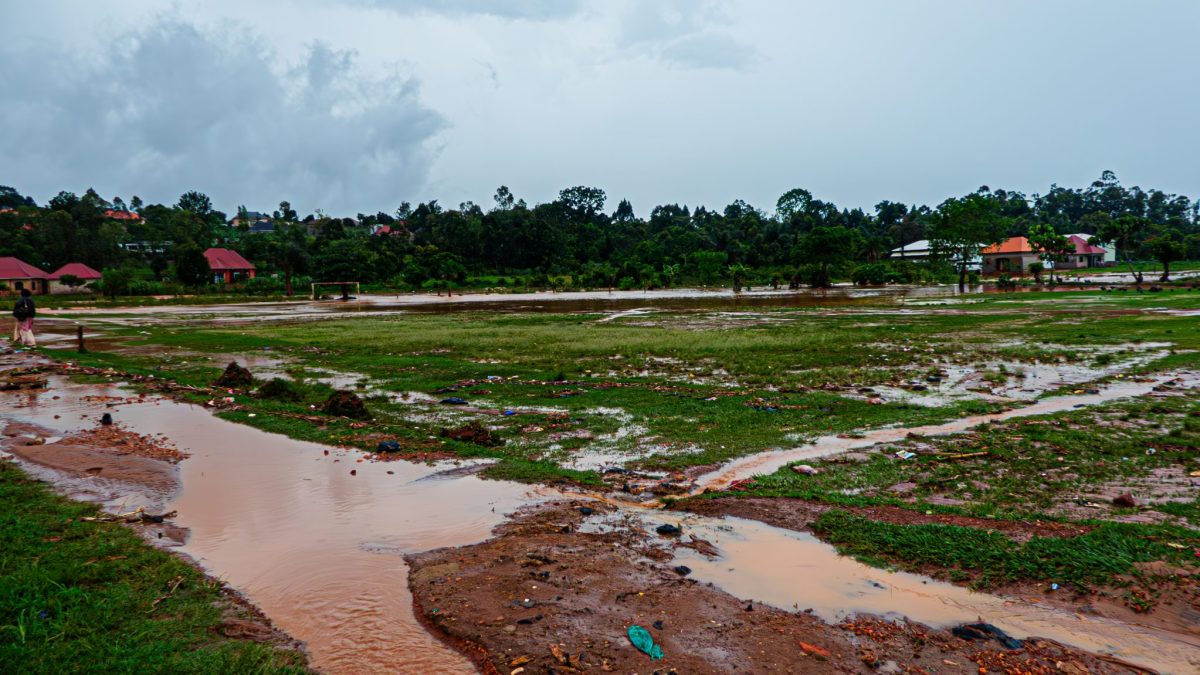
Standing water on an active site is not just an inconvenience — it undermines excavated foundation trenches, turns access paths to mud that slows every material movement, and creates genuine safety hazards. Temporary drainage channels, extra shovels for maintaining them, and pumps for clearing water from excavated areas become necessary equipment that a dry-season budget never anticipated. Budget an additional ₦20,000–₦40,000 for basic drainage management equipment and labour across a rainy-season build.
Extended Timeline Costs Money Too
Concrete work, external plastering, and roofing all slow down or pause entirely during heavy rain — a project that would run a certain duration in dry conditions genuinely takes longer crossing rainy season, and that extended timeline has real cost implications: extended equipment rental (scaffolding hired for longer), extended labour engagement, and delayed occupancy that has its own opportunity cost if you are paying rent elsewhere while waiting.
Additional PPE Considerations
Wet conditions change footing safety significantly — the safety boots discussed in our PPE breakdown posts matter even more during rainy season, where slip risk on wet scaffolding and muddy ground genuinely increases. Rain gear for workers who must continue certain tasks during light rain is a small additional cost (₦3,000–₦6,000 per worker for basic waterproof coverage) worth including rather than assuming work simply always stops the moment rain starts.
What to Do Before the Rains Start
Sequence your build, where possible, to get the roof on before peak rainy season — once a structure is roofed, ongoing rain becomes far less disruptive to interior finishing work, which can proceed largely undisturbed. This is a scheduling decision more than a tool purchase, but it is the single highest-leverage rainy-season decision available, and it should shape your overall project timeline from the planning stage, not become an afterthought once the rains have already started.
A Realistic Rainy-Season Addition to Your Budget
Between material protection, drainage equipment, extended rental periods, and rain-specific PPE, a reasonable rainy-season addition to an otherwise dry-season budget runs ₦50,000–₦100,000 for a modest self-build, plus the harder-to-quantify cost of a potentially extended timeline. Building this into your budget and schedule from the start, rather than discovering it mid-downpour, is the difference between a manageable adjustment and a genuine project setback.
Regional Variation Across Nigeria
Rainy season intensity and duration vary meaningfully across the country — the Niger Delta and much of the south see a longer, more intense wet season than the far north, where the dry season dominates a larger share of the year. If your project is in a particularly high-rainfall region (Port Harcourt and much of the south-south, for instance), the budget ranges above should trend toward the higher end, and scheduling around the rains matters proportionally more to your overall project timeline than it would for a build in a drier northern location.
Foundation Work Specifically Needs Extra Care
Open foundation trenches are especially vulnerable during rainy season — water pooling in an excavated trench can soften the soil bed the foundation is meant to sit on, compromising the very ground stability the foundation depends on. If foundation work must proceed during rainy season, temporary covering of open trenches between work sessions and more careful, faster sequencing from excavation through to concrete pour (minimising how long a trench sits open and exposed) becomes genuinely important, not just a nice-to-have precaution.
Access Road and Delivery Planning
Material deliveries — cement, blocks, sand — depend on site access remaining passable, and rainy season can turn an unpaved access route to mud that delivery trucks struggle with or refuse entirely. Budgeting for basic access road improvement (a layer of compacted hardcore or gravel on the approach to your site) before rainy season starts can prevent costly delivery delays and the sometimes-charged fees some suppliers add for difficult-access deliveries during wet conditions.
Mental and Schedule Adjustment
Beyond the direct costs covered above, it is worth simply adjusting expectations going into a build that spans rainy season — a timeline that looks achievable purely on dry-season logic will likely slip, and building in explicit schedule buffer for weather-related pauses avoids the frustration and pressure of treating every rain delay as an unexpected setback rather than the entirely predictable seasonal factor it actually is for any Nigerian construction project running long enough to cross into the wet months.
Concrete Work Specifically Needs Care
Fresh concrete poured shortly before heavy rain can be seriously compromised — rain washing over an uncured pour affects surface finish and, in worse cases, structural strength if it happens early enough in the curing process. Checking weather forecasts before scheduling any significant pour during rainy season, and having simple covering (plastic sheeting) ready to protect a fresh pour if unexpected rain arrives shortly after, is a small precaution against a potentially costly redo.
Electrical Work and Moisture
Partially completed electrical work — exposed conduit, open distribution boards, unfinished connections — is more vulnerable to moisture-related problems during rainy season than once fully enclosed and finished. Where possible, avoid leaving electrical rough-in work exposed and incomplete across an extended weather-exposed period, and ensure any temporary site power setup has proper weatherproofing, since a compromised temporary supply is both a safety hazard and a source of project delay.
Worker Welfare During Rainy Season
Beyond the rain gear mentioned earlier, simple provisions — a covered area where workers can shelter during the heaviest downpours rather than continuing to work in genuinely unsafe wet conditions, and flexibility in daily scheduling to work around forecast heavy rain periods rather than rigidly sticking to a fixed daily schedule regardless of conditions — improve both safety and, indirectly, work quality, since rushed work performed in poor conditions to meet an inflexible schedule tends to need more correction later.
Bringing Rainy Season Into Your Overall Project Plan
If your project timeline is being set from scratch, consider whether starting early enough to complete the roof before peak rainy season is achievable — this single sequencing decision does more to reduce rainy-season disruption than any amount of tooling or equipment budget covered elsewhere in this post. Where that is not possible, treat the additional budget and schedule buffer discussed throughout this post as a planned, explicit part of your project rather than a series of individual surprises discovered one rainstorm at a time.
One Last Practical Note
None of the adjustments covered in this post are complicated or expensive in isolation — tarpaulins, drainage tools, rain gear, and careful scheduling are all modest, manageable additions. What makes rainy season genuinely disruptive is not any single cost, but the accumulation of several small unplanned surprises hitting at once. Planning for the season explicitly, as one deliberate section of your overall budget and schedule, is what turns it back into the manageable, predictable factor it actually is.
Plan Around the Weather, Not Around Surprises
Get tarpaulins and site gear from our Building Tools Store, and keep your full budget current with the Estimator.
Visit the Store →