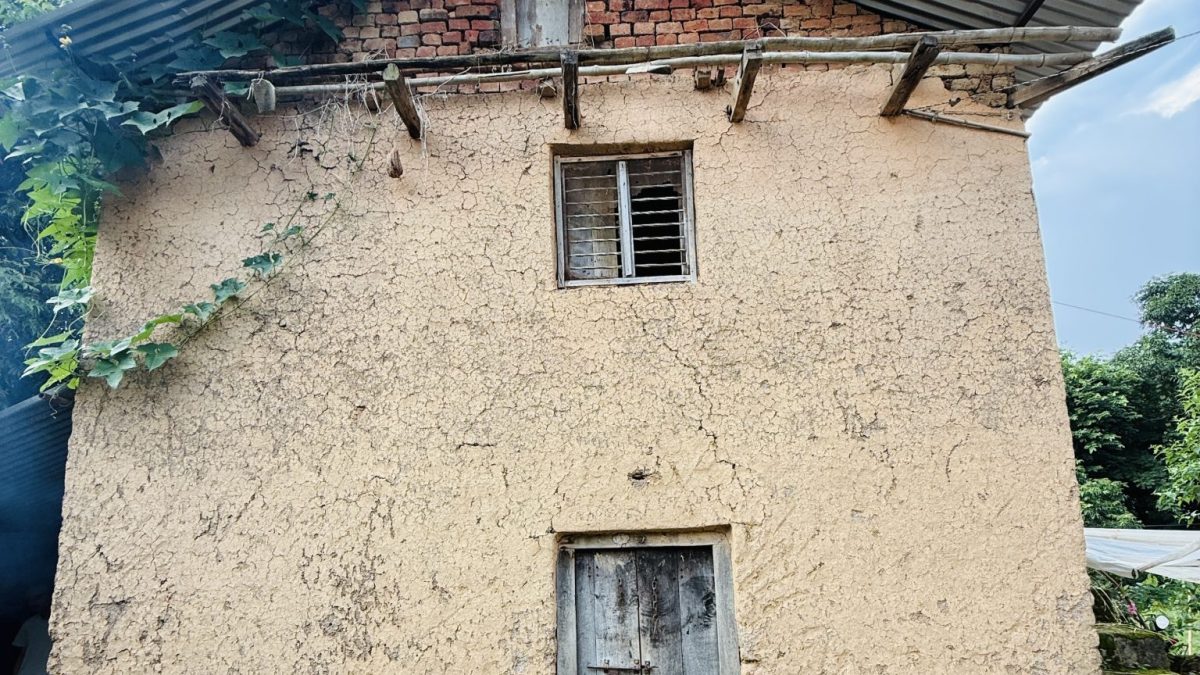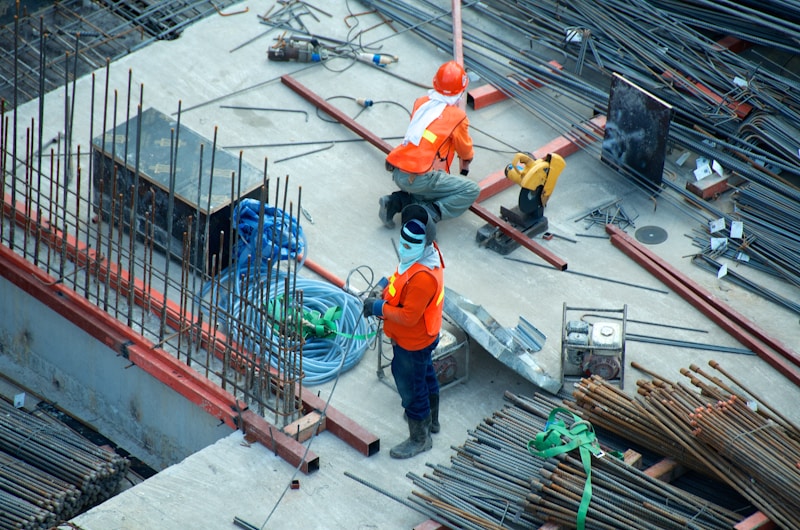
If you are currently building in Nigeria or about to start, block-laying rates will be one of your earliest and most contested negotiations. The number sounds simple — a rate per block laid — but the market figure varies by city, by site conditions, and by the height at which the work is happening. Contractors who know that clients are uninformed about rates will quote high; this guide gives you the correct 2026 benchmarks so you can negotiate from a position of knowledge.
Current Block-Laying Rates in Nigeria (2026)
The rate is typically quoted per block laid and covers the block layer's fee and their assistant (block tender). Mortar materials, blocks, and scaffolding are priced separately.
| Location | Block Layer Rate (per block) | Block Tender (per day) | Approximate Daily Output |
|---|---|---|---|
| South East baseline (Enugu, Anambra, Imo, Ebonyi, Abia) | ₦100 | ₦2,000 | 150–250 blocks |
| Ibadan, Benin, Ondo | ₦108–₦112 | ₦2,200 | 140–230 blocks |
| Port Harcourt / Rivers | ₦115 | ₦2,300 | 140–220 blocks |
| Abuja (FCT) | ₦120 | ₦2,400 | 140–220 blocks |
| Lagos | ₦130 | ₦2,600 | 130–210 blocks |
These are for 9-inch sandcrete blocks. Six-inch blocks may attract a slight reduction (5–10%) due to lighter weight per block, but many block layers charge the same rate for both sizes. Confirm before agreeing.
What Justifies Paying Above the Market Rate?
The base rates above assume standard ground-floor and first-floor blockwork on a typical residential site. Several factors can legitimately push the rate higher:
1. Building Height
Ground-floor walls below damp-proof course level are the fastest and easiest. Walls above DPC up to lintel level are standard. Above the first-floor slab — on a duplex or storey building — the block layer is working with scaffolding, materials need to be hoisted, and the pace slows. A premium of 10–20% per block above the ground floor is reasonable for storey buildings.
2. Lintel and Bond Beam Zones
Courses immediately around lintel blocks, ring beam shuttering, and column pocket areas require more careful measurement and cutting. A small per-block premium at these zones (₦10–₦20 extra per block) is standard practice.
3. Wet Season
Rain disrupts blockwork significantly. If mortar is not given adequate time to cure before the next course, wall strength is compromised. Some contractors add a wet season surcharge or include allowances for protection materials. This is legitimate — negotiate it as a transparent line item rather than a general rate increase.
4. Arch and Curved Walls
Arched openings, curved boundary walls, and any blockwork that is not strictly rectilinear requires additional skill and time. If your design includes these features, expect a premium of 20–30% on those specific sections.
Block Tender: Understanding the Helper Cost
Every block layer works with at least one block tender — the assistant who mixes mortar, carries blocks, and keeps the layer supplied. The tender rate is charged per day regardless of how many blocks are laid. On a typical day with 180–200 blocks laid per block layer, you will have one block layer and one tender working together. Factor both costs into your calculations.
For a project with 3,500 blocks (a typical 3-bedroom bungalow), at 180 blocks per day the blockwork takes approximately 19–20 working days. That is 19 days of block-layer cost plus 19 days of tender cost for each pair working. If you want to accelerate the schedule, you add more pairs, not more blocks per team.
Cross-Checking: The Square Metre Method
Some contractors quote blockwork by the square metre rather than per block. The conversion:
- 1 m² of 9-inch blockwork = approximately 12.5 blocks (accounting for mortar joints)
- At ₦100/block (South East baseline), that is ₦1,250/m² in block layer labour alone
- In Lagos at ₦130/block, that equals ₦1,625/m²
If a contractor quotes you a per-m² rate, divide by 12.5 to get the implied per-block rate and compare it to the table above.
How Many Blocks Does a 3-Bedroom Bungalow Need?
A standard 3-bedroom bungalow (approximately 120–150 m² floor area) uses roughly:
- Foundation substructure (below DPC): 400–600 blocks
- External walls (ground to lintel): 800–1,100 blocks
- Internal walls (ground to lintel): 1,200–1,600 blocks
- Parapet walls and minor features: 200–400 blocks
- Total: approximately 2,600–3,700 blocks (9-inch)
At the South East baseline of ₦100/block, the block-laying labour for a 3-bedroom bungalow totals roughly ₦300,000–₦370,000 (excluding block tenders). In Lagos at ₦130/block, the equivalent is ₦390,000–₦481,000.
Should You Let the Block Layer Supply Blocks?
This is a common arrangement in Nigeria — the contractor supplies materials and charges a combined rate per block. Avoid it unless you have a strong, trusted relationship with the contractor. When the block layer also supplies:
- You lose visibility on the block quality and actual count delivered
- Under-thickness or understrength blocks may be used
- The profit margin on supply inflates your effective per-block cost
- You cannot independently verify the number of blocks laid against deliveries
The better approach: buy blocks directly from a known manufacturer, have them delivered to site, count the deliveries, and pay block-laying labour separately.
Verifying Your Contractor's Quote
When a contractor gives you a blockwork quote, ask them to break it down:
- Estimated number of blocks
- Rate per block (or per m²)
- Number of working days estimated
- Number of block-laying pairs (block layer + tender)
Cross-check the block count against your architectural drawings (your architect or QS can generate this), the rate against the table above, and the days against the simple formula: blocks ÷ daily output per pair ÷ number of pairs.
Frequently Asked Questions
Is ₦100 per block a fair rate in Enugu?
Yes — ₦100/block is the current 2026 baseline for the South East. Rates below this may indicate inexperienced labour; rates significantly above it without clear justification (height, complexity) should be questioned.
What is the difference between a block layer and a mason?
In Nigerian construction, these terms are often used interchangeably. A block layer or mason is the skilled tradesperson who lays sandcrete blocks and does associated mortar work. Some masons also handle plastering and screeding, which are priced separately.
Can I pay a block layer per day instead of per block?
Some block layers prefer a daily rate, particularly for complex or slow-pace work. A skilled block layer charges ₦18,000–₦25,000/day implied by per-block rates at the South East baseline. If a day-rate is agreed, ensure a minimum daily output is also agreed — otherwise productivity drops without accountability.
How do I prevent a block layer from inflating the block count?
Count all block deliveries to site yourself or through a trusted site supervisor. Keep a written delivery log. After the blockwork is complete, you can cross-check by counting the actual wall area against the expected blocks-per-m² figure.
Calculate Your Full Labour Budget
Block-laying is one of 10 construction stages in the Labour Cost Calculator on this site. Enter your block quantity, select your location, and the calculator applies the correct regional rate automatically. You can also price every other trade — iron benders, plasterers, tilers, plumbers, electricians — in the same session and see the complete labour budget for your project.
Budget Your Full Building Labour Cost
Use the free Labour Cost Calculator to price every trade on your project — block layers, plumbers, electricians, tilers, painters and more — with automatic location rates for Lagos, Abuja and Port Harcourt.
Open Labour Cost Calculator →