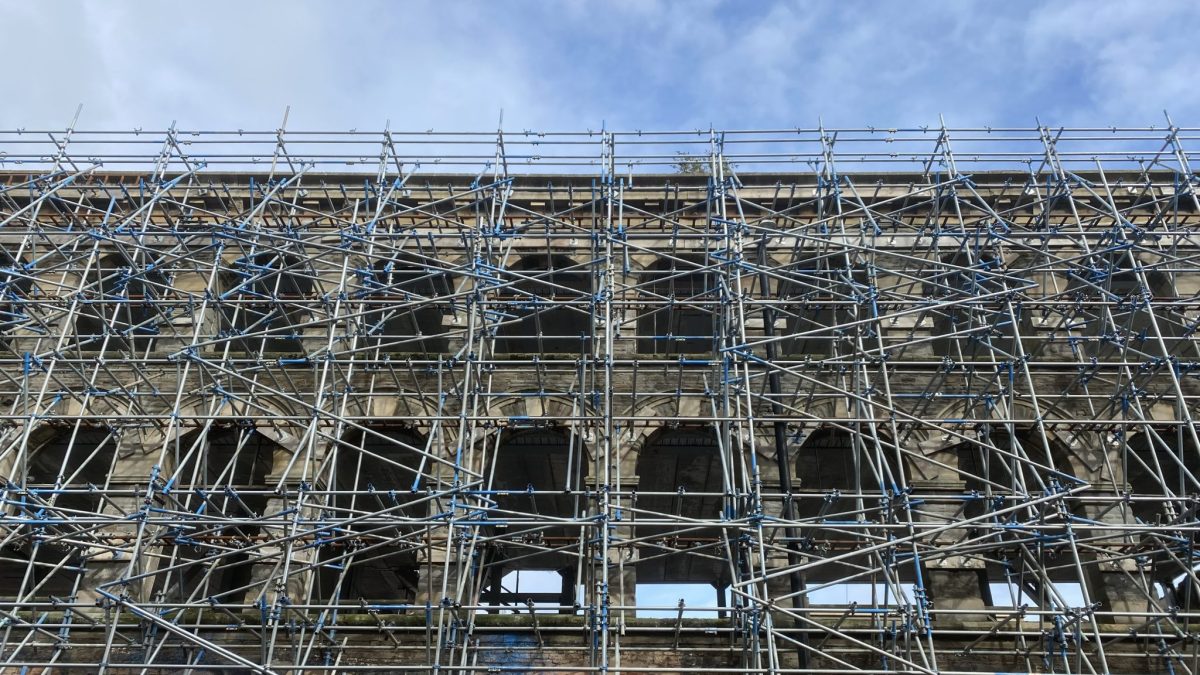
Scaffolding failures are among the most serious and, critically, the most preventable risks on a construction site — nearly every scaffolding accident traces back to a specific, identifiable shortcut rather than genuine bad luck. This guide covers the five most common mistakes seen on Nigerian sites, using the safety-relevant categories in our free Scaffolding Calculator.
Mistake 1: Skipping Fall-Arrest Harnesses to Save Cost
A full-body harness with a shock-absorbing lanyard is relatively inexpensive compared with the potential consequences of a fall from height, yet it is frequently the first item cut when a scaffolding budget is trimmed. This is a genuinely dangerous economy — anyone working at height on scaffolding platforms above a modest height should be equipped with, and actually using, proper fall-arrest equipment, not simply issued a harness that then sits unused because it slows the work down.
Mistake 2: Inadequate Bracing and Tie-In to the Building
A scaffold structure needs adequate diagonal bracing and, for taller structures, ties back to the building it stands against, to resist lateral loads from wind and from the movement of workers and materials on the platforms. Erecting a scaffold with insufficient bracing or ties to save on materials and erection time creates a structure that can become unstable, particularly in wind — a real risk given how much unpredictable weather Nigerian sites can experience during a project's duration.
Mistake 3: Overloading Platforms Beyond Their Rated Capacity
Scaffold platforms and the structure supporting them are rated for a specific safe working load, and stacking excessive quantities of material — blocks, cement bags, tiles — onto a platform beyond its rated capacity, often to reduce the number of trips needed to move material up, is a common and serious overloading risk. Materials should be distributed and moved in quantities that respect the platform's actual rated capacity, not the maximum that can physically be piled onto it.
Mistake 4: Using Damaged or Mismatched Components
Steel scaffolding components — tubes, couplers, frame sections — degrade over repeated use and can develop corrosion, bent sections or worn threads that compromise their strength. Using visibly damaged components to complete a job, or mixing incompatible components from different manufacturers or systems, undermines the structural reliability the scaffolding is designed to provide. Components should be inspected before each use and damaged items removed from service rather than pressed into use out of convenience.
Mistake 5: No Ongoing Inspection Over an Extended Job Duration
A scaffold correctly erected and inspected at the start of a job can develop problems over an extended duration — ground settlement affecting the base, weather exposure loosening fittings, or damage from other site activity nearby. Treating the initial erection inspection as sufficient for the entire duration of a multi-week or multi-month job, without periodic re-inspection, allows developing problems to go unnoticed until they become serious, sometimes only becoming apparent after a failure has already occurred.
A Scaffolding Safety Checklist
- Every worker at height is equipped with, and actually using, a properly fitted fall-arrest harness.
- Bracing and building ties are adequate for the scaffold's height and the site's wind exposure.
- Platform loading stays within the rated safe working load at all times.
- Components are inspected before use and any damaged items removed from service.
- The scaffold is re-inspected periodically throughout the job's duration, not just at initial erection.
Training and Competency as the Underlying Safety Factor
Every mistake covered in this guide ultimately traces back to the competency and diligence of the people erecting, using and inspecting the scaffold, which is why investing in properly trained, experienced scaffolders and enforcing a genuine safety culture on site matters more than any single piece of equipment or checklist item in isolation. A scaffold erected by an untrained or inexperienced crew, even using good-quality components, carries meaningfully more risk than one erected by a competent, properly trained team using more modest equipment, since correct assembly technique and honest self-assessment of when something is not right cannot be substituted by equipment quality alone.
Beyond the erection crew, everyone who subsequently works from the scaffold — bricklayers, plasterers, painters, electricians — should receive at least a basic briefing on the specific scaffold's safe working load, any known restrictions, and how to report a concern if something looks wrong, rather than assuming scaffold safety is solely the erector's responsibility once handover is complete. A culture where any worker feels able to flag a concern about a scaffold's condition without fear of being dismissed or overruled is one of the most effective, and least expensive, safety measures a site can adopt.
Frequently Asked Questions
Who is responsible for scaffolding safety on a Nigerian construction site?
Ultimately the main contractor bears overall site safety responsibility, though the scaffolding supplier or erector typically holds specific responsibility for the structure's correct erection and initial certification. Both should be clearly assigned and understood before work begins.
What should I do if I notice damaged scaffolding components on site?
Report it immediately and remove the affected section from use until it is inspected and, if necessary, replaced — continuing to use visibly damaged components to avoid delaying work is exactly the kind of shortcut that leads to serious accidents.
How much weight can a typical scaffold platform safely hold?
This depends on the specific scaffold design and its rated safe working load, which should be confirmed with the scaffolding supplier or erector for your specific structure rather than assumed from a generic figure.
Should scaffolding cost be quoted before or after the main construction contract is signed?
For any project needing significant scaffolding — a multi-storey build or extensive exterior finishing work — it is worth pricing scaffolding as part of the initial overall project budgeting, rather than treating it as an afterthought priced only once the exterior finishing stage is reached, since it is a genuine, sometimes substantial cost that belongs in the upfront financial planning.
What training should a scaffolding erection crew have?
Look for a crew with documented, verifiable experience in the specific scaffolding type being used — tube and coupler, system frame, or bamboo each have somewhat different technique requirements — and ask about any formal training or certification the crew or their supervisor holds, rather than relying purely on a verbal assurance of experience.
How can a client without technical scaffolding knowledge assess whether a scaffold looks safe?
While a full technical assessment needs a competent person, basic visual checks any client can perform include looking for obvious gaps in bracing, checking platforms have edge protection (toe boards and guardrails), confirming ladders are securely fixed, and asking to see the erector's own inspection or handover documentation before relying on the structure.
Does scaffolding insurance cover accidents caused by these common mistakes?
Coverage depends heavily on the specific policy and whether the incident resulted from a genuine, unforeseeable failure versus a known, unaddressed hazard — insurers can and do dispute claims where basic, well-known safety practices were clearly not followed, which is another practical reason to address these mistakes proactively rather than relying on insurance as a backstop.
What should a client do if their contractor resists proper scaffolding safety measures to save time or cost?
Raise the concern directly and, if it is not resolved, consider that a contractor unwilling to maintain basic safety standards on a visible, checkable item like scaffolding may take similar shortcuts elsewhere on the project that are harder to observe — this is a legitimate basis for reconsidering the working relationship, not an unreasonable overreaction to a single request.
Are there specific scaffolding risks unique to Nigeria's climate that this guide should flag?
Beyond the general principles covered here, Nigeria's rainy season brings a specific added risk of ground softening beneath scaffold base plates, which can lead to uneven settlement if base plates are not adequately spread with sole boards over a wide enough area — checking and, if necessary, re-levelling a scaffold after heavy rain is a sensible addition to the standard inspection routine during the wetter months.
What should be checked before allowing workers back on a scaffold after a storm?
A full re-inspection covering bracing integrity, base plate and sole board condition, tie security, and platform board condition should be completed before resuming work after any severe weather event — resuming work without this check purely to avoid losing time is exactly the kind of shortcut this guide warns against.
Is it acceptable to reuse scaffold boards that show signs of wear?
Boards should be inspected for splitting, excessive wear or weakening before each reuse, and any board showing significant deterioration should be removed from service rather than continued in use — a failed platform board is a direct and serious fall hazard that inexpensive board replacement easily prevents.
Price Your Scaffolding Needs
The free Scaffolding Calculator prices tube, system and bamboo scaffolding hire and erection, plus safety equipment. Painting or plastering at height too? Try the Painting Cost Calculator. Building the whole house? The Professional Estimator covers every stage of the build.
Open the Scaffolding Calculator →
