Quick answer: Solar systems in Nigeria need relatively little maintenance compared to a generator, but regular panel cleaning (especially during harmattan dust season), periodic electrical connection checks, and proper battery care can meaningfully extend system life and keep performance close to its rated output.
Why Maintenance Matters More in Nigeria Than in Milder Climates
Nigeria's climate presents specific challenges that more temperate solar markets do not face to the same degree: heavy dust accumulation during the harmattan season, intense heat that stresses electrical components, and in some regions, salt-laden coastal air that accelerates corrosion on exposed metal fittings. A system that would need minimal attention in a cooler, cleaner climate benefits from a more deliberate maintenance routine here.
Panel Cleaning
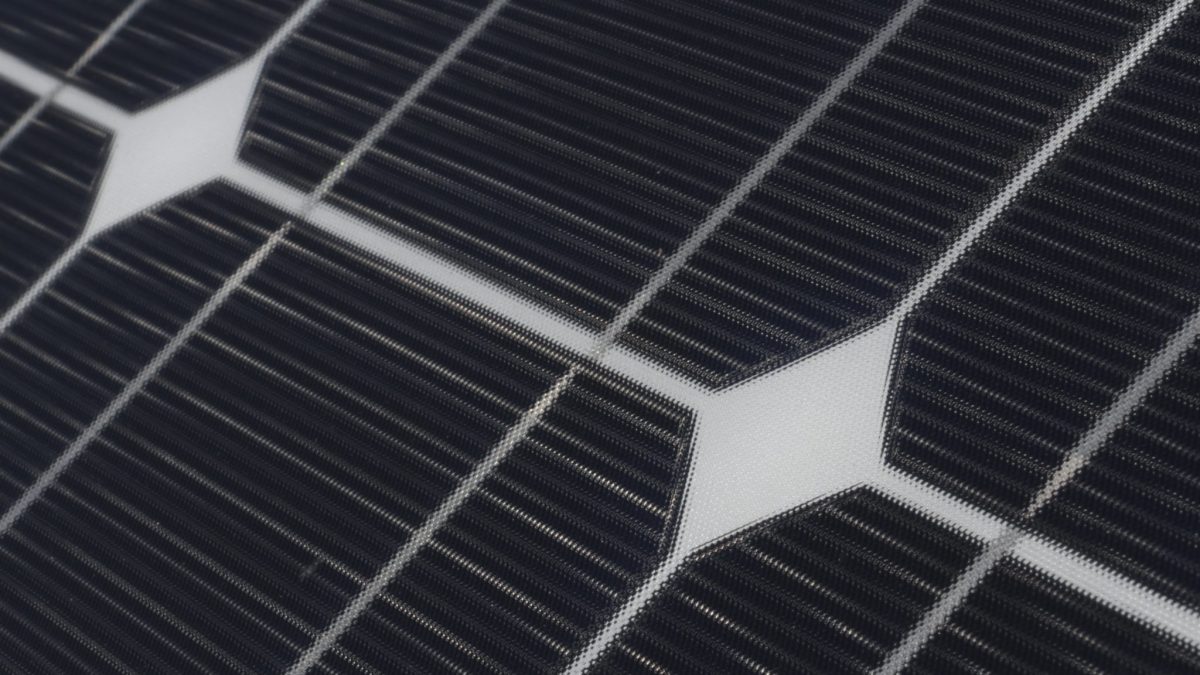
Dust, dirt, and bird droppings reduce how much sunlight reaches the solar cells, directly reducing energy output — sometimes by 15-25% if left unaddressed for extended periods, particularly during harmattan when dust accumulation is heaviest. Clean panels every 4-6 weeks during dusty periods, and roughly every 2-3 months during the rainy season, when rain provides some natural cleaning. Use clean water and a soft brush or cloth — avoid abrasive materials that can scratch the protective glass surface, and avoid cleaning panels while they are hot from direct sun, as the temperature shock from cold water can occasionally cause micro-cracking.
Checking Electrical Connections
Periodically inspect cable connections at the panels, the charge controller or inverter, and the battery terminals for signs of corrosion, looseness, or insulation damage. Loose connections cause resistance, which generates heat and wastes energy — and in worst cases, presents a fire risk. This is a task best performed by a qualified technician, particularly for DC-side connections, which can carry dangerous voltage even when the system appears off.
Battery Maintenance
- Lead-acid (flooded type): Check electrolyte levels periodically and top up with distilled water if low — never use tap water, which contains minerals that damage cells
- Lead-acid (sealed/tubular): No electrolyte top-up needed, but keep terminals clean and free of corrosion buildup
- Lithium: Minimal maintenance required, but ensure the battery management system firmware is kept updated if your model supports it, and avoid storing the battery in a fully depleted state for extended periods
- All types: Keep batteries in a cool, ventilated location away from direct sun and away from flammable materials
Mounting Structure Inspection
Check panel mounting brackets and roof penetrations periodically, particularly after storms, which are common in many parts of Nigeria during the rainy season. Loose mounting hardware can allow panels to shift or vibrate, which over time stresses cable connections and can void warranty coverage if damage results from inadequate mounting.
Monitoring Performance Over Time
If your inverter has a monitoring app or display, get familiar with your system's normal daily generation pattern so you can spot a meaningful drop early — a sudden, unexplained drop in generation often indicates a developing fault (a failing panel, a loose connection, or excessive shading from new vegetation growth) rather than normal day-to-day weather variation. Catching issues early is almost always cheaper than discovering them after a component fails outright.
A Simple Maintenance Schedule
| Task | Frequency |
|---|---|
| Panel cleaning | Every 4-6 weeks (harmattan), every 2-3 months (rainy season) |
| Visual inspection of mounting and cabling | Monthly, and after major storms |
| Electrical connection check | Every 6 months (by a technician) |
| Battery terminal/electrolyte check | Every 1-3 months, depending on battery type |
| Full system professional inspection | Annually |
DIY Maintenance vs Hiring a Professional
Routine panel cleaning and basic visual inspections are reasonably safe for a homeowner to do themselves, provided proper care is taken with ladder safety and the panels are not hot to the touch. Anything involving the electrical side of the system — checking DC connections, inspecting the charge controller, working inside the inverter enclosure, or testing battery voltages — should be left to a qualified solar technician. DC circuits in a solar system can remain live and dangerous even when the inverter is switched off, since the panels themselves continue generating voltage in daylight regardless of the inverter's state, which is a common and serious misunderstanding among DIY enthusiasts.
Insurance Considerations
Given the significant value tied up in a solar installation, it is worth checking whether your existing home or business insurance policy covers solar equipment against theft, storm damage, or fire, or whether a specific rider or separate policy is needed. Panels mounted on an exposed roof are vulnerable to severe storm damage in some parts of Nigeria, and battery banks represent a meaningful theft target given their resale value. Confirming coverage before an incident occurs, rather than discovering a gap in coverage after the fact, is a simple step many solar owners overlook amid the excitement of a new installation.
A Seasonal Maintenance Mindset
Rather than treating maintenance as a single annual event, it helps to think of it as following Nigeria's two broad seasons. During harmattan (roughly November to February), focus on more frequent panel cleaning to combat dust accumulation, and check that ventilation around your battery bank is not being blocked by accumulated dust. During the rainy season (roughly April to October), focus on checking mounting hardware and roof penetrations for water ingress after storms, and ensure drainage around any ground-mounted equipment is not allowing water to pool near electrical components. This seasonal rhythm keeps maintenance proactive rather than reactive.
Keeping a Maintenance Log
A simple written or digital log noting when you last cleaned your panels, checked connections, and inspected batteries — along with any observations about generation output or backup duration — makes it far easier to spot a gradual decline that might otherwise go unnoticed month to month. It also gives a technician useful history to work from if you ever need to troubleshoot a developing issue, rather than relying on memory alone. Many monitoring apps bundled with modern inverters can automate much of this logging for generation data, but battery and physical inspection notes are worth keeping manually alongside it.
When to Call a Technician Immediately
While most maintenance follows a routine schedule, certain signs warrant an immediate professional inspection rather than waiting for the next scheduled check: any burning smell near the inverter or battery bank, visible smoke, a battery that feels unusually hot to the touch, repeated unexplained inverter shutdowns, or any exposed or damaged cabling. These are not normal wear-and-tear issues to monitor over time — they are potential safety hazards that should be addressed without delay, even if it means an unscheduled call-out cost.
Building Maintenance Into Your Annual Budget
Rather than treating maintenance as an unplanned expense whenever something goes wrong, budgeting a small, fixed annual amount specifically for routine servicing and minor part replacement keeps your system performing closer to its rated output year after year, and tends to be considerably cheaper in total than reactive, emergency repairs after neglect has caused a bigger problem to develop.
Maintenance Is Cheaper Than Replacement
A modest, consistent maintenance routine costs very little compared to the price of replacing a panel, battery bank, or inverter prematurely due to neglect. If you are still planning your system and want to understand how component choices affect long-term costs, the free Solar Calculator gives you a full cost breakdown to plan around — including the kind of battery investment worth protecting with good care.
Size Your Own Solar System in Minutes
Pick your appliances and our free Solar Calculator instantly sizes your inverter, battery bank and solar panels — with full 2026 Nigerian pricing and a downloadable spec sheet.
Use the Free Solar Calculator →