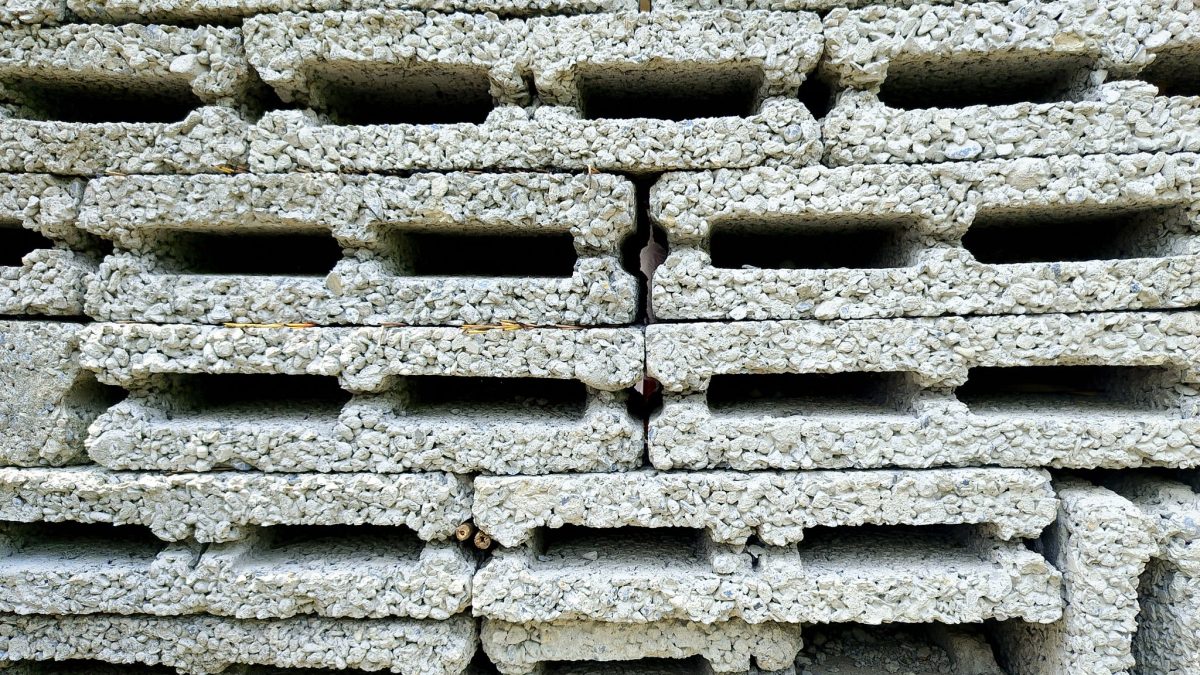
Quick answer: A 9-inch (225mm) sandcrete block costs approximately ₦666 in Lagos and ₦663 in Abuja as of 2026, with Port Harcourt close behind at around ₦657. Other cities such as Enugu, Ibadan, and Onitsha tend to sit lower, often in the ₦600–₦750 range, since cement, sand, and transport costs are generally cheaper outside the two most expensive cities.
Current 9-Inch Block Prices by City (2026)
| City | Price per Block (Approx.) |
|---|---|
| Lagos | ₦666 |
| Abuja | ₦663 |
| Port Harcourt | ₦657 |
| Enugu / Onitsha / Ibadan (typical) | ₦600 – ₦750 |
These are baseline market figures for a standard 9-inch hollow sandcrete block. Actual prices on the ground vary by ₦100–₦200 per block depending on the specific supplier, whether the blocks are machine-vibrated or manually moulded, and how far your site is from the nearest block-moulding yard.
Why Lagos and Abuja Cost More
The price gap between Lagos/Abuja and other Nigerian cities comes down to a few consistent factors:
- Cement cost — cement, the main input cost in a block, is typically more expensive in Lagos due to higher distribution and storage costs in a congested market
- Sand cost and availability — sharp sand is more expensive in Lagos because of dredging restrictions and higher demand from the sheer volume of ongoing construction
- Land and labour cost — block-moulding yards pay more for land and labour in Lagos and Abuja than in most other Nigerian cities
- Transport distance — many sites in Lagos and Abuja's outskirts pay extra to have blocks delivered from yards further out, since space for moulding yards within the city is scarce
Machine-Vibrated vs Manually Moulded Blocks
Block price also depends heavily on production method, regardless of city:
- Manually moulded blocks are cheaper but less consistent in density and strength — common with smaller local suppliers
- Machine-vibrated blocks cost ₦50–₦150 more per block but are denser, more uniform, and generally stronger — recommended for load-bearing walls and any structure above a single storey
For a standard bungalow, the price difference between block types is rarely worth compromising on quality — the extra cost across a full house is modest compared to the risk of weak, inconsistent blockwork.
How Many Blocks Will You Need?
Block requirement depends on your wall area, not bedroom count directly. A standard 3-bedroom bungalow typically needs 2,800–4,200 nine-inch blocks for external and internal walls combined. For a full breakdown of how this is calculated, see our guide on how many blocks you need to build a 3-bedroom bungalow, or use the Cement Calculator to get an exact block and mortar count for your specific building, including door and window deductions.
Tips for Buying Blocks
- Inspect a sample block before committing to a full order — press your thumbnail into the surface; it should not crumble or leave a deep mark
- Buy from a yard with consistent production — blocks from different batches can vary slightly in size, which complicates laying a straight, even wall
- Factor in delivery cost separately — block delivery charges can add 5–10% to your total block cost depending on distance and access to your site
- Order 5% extra to cover breakage during transport and handling — broken blocks are common and budgeting for waste avoids a delivery delay later
Get an Exact Figure for Your Project
Block prices and quantities are just one part of your overall building budget. The Nigeria Building Cost Estimator uses current Nigerian material rates — including blocks by location — to generate a full itemised Bill of Quantities tailored to your building type, city, and finish level.
Are You Ready to Estimate Your Building Cost in Nigeria?
Stop guessing and start building with confidence. Our free Nigeria Building Cost Estimator generates an accurate, itemised Bill of Quantities in minutes — tailored to your location, house type, and finish level.
Start Your Free Estimate →