What Does Residential Plumbing Cost in Nigeria?
Plumbing is one of the most underestimated costs in Nigerian building projects. Many self-builders budget only for the visible fixtures — taps, WCs, and basins — and are surprised when the full cost of a proper plumbing installation comes in at ₦1.5 million to ₦3.5 million for a standard 3-bedroom bungalow. This guide breaks down every component so you can budget accurately.
Plumbing Cost by System Type (3-Bedroom Bungalow, 2026)
| System | Description | Typical Cost |
|---|---|---|
| Cold water supply | Overhead tank, pipes, taps, valves | ₦450,000 – ₦900,000 |
| Hot water supply | Electric or solar water heater, hot pipes | ₦250,000 – ₦650,000 |
| Drainage / waste | Soil stacks, waste pipes, inspection chambers | ₦380,000 – ₦750,000 |
| Septic tank + soakaway | 3-chamber reinforced concrete septic | ₦300,000 – ₦700,000 |
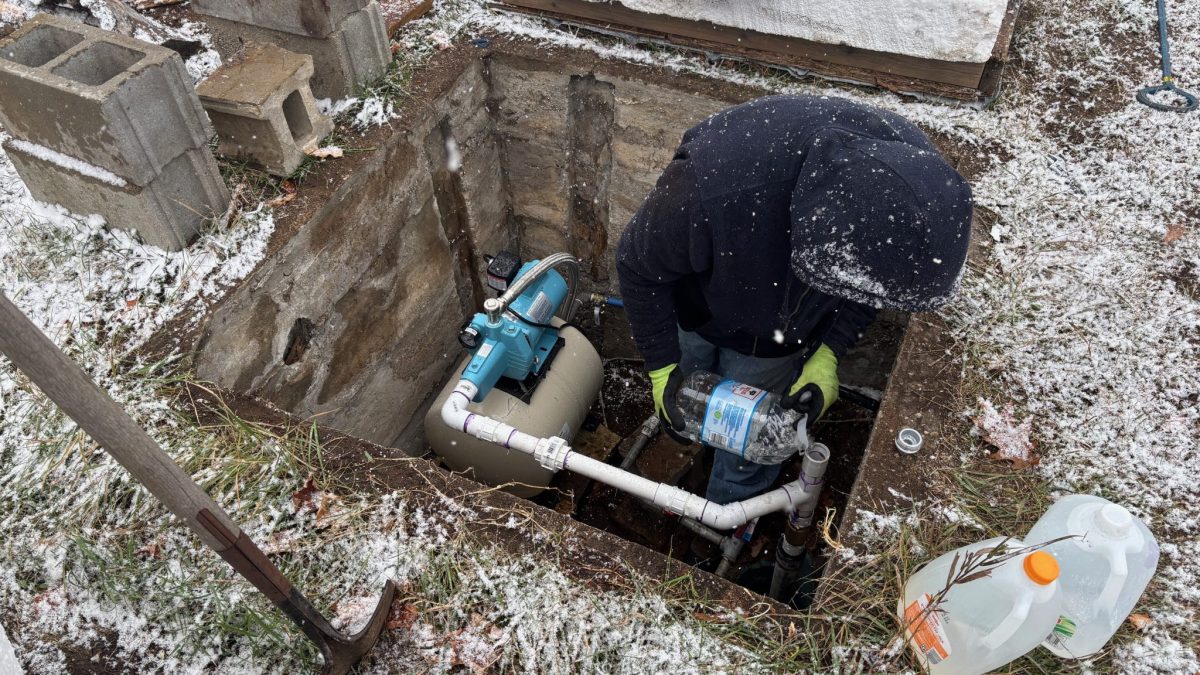
| Borehole connection | Submersible pump, header tank, rising main | ₦500,000 – ₦1,200,000 |
Plumbing Fixture Prices in Nigeria (2026)
- WC — economy: ₦35,000 – ₦65,000 per unit
- WC — standard: ₦70,000 – ₦150,000 per unit
- WC — wall-hung (luxury): ₦200,000 – ₦600,000 per unit
- Wash hand basin — economy: ₦15,000 – ₦30,000
- Wash hand basin — standard: ₦35,000 – ₦80,000
- Shower tray + screen: ₦80,000 – ₦250,000
- Bathtub — economy: ₦60,000 – ₦120,000
- Overhead water tank (5,000L polyethylene): ₦80,000 – ₦140,000
- Submersible pump (0.5hp): ₦65,000 – ₦130,000
Plumber Labour Rates in Nigeria (2026)
- Skilled plumber day rate: ₦12,000 – ₦20,000/day
- Master plumber / supervisor: ₦20,000 – ₦35,000/day
- Unskilled pipe labourer: ₦6,000 – ₦10,000/day
- Lump-sum first-fix (rough-in) for 3-bed bungalow: ₦200,000 – ₦400,000
- Lump-sum second-fix (fixture installation): ₦80,000 – ₦160,000
Lagos and Abuja plumber rates are 15–25% higher than in other Nigerian cities.
Borehole vs Water Tanker: Which Is Better Value?
Most Nigerian homes cannot rely on public water supply and need an alternative. The two main options are:
- Borehole drilling: ₦800,000 – ₦3,000,000 depending on depth and location. Annual maintenance costs ₦50,000 – ₦150,000. A borehole eliminates the ongoing cost of buying water but requires power to run the pump.
- Water tanker supply: ₦15,000 – ₦40,000 per tanker (10,000–20,000 litres). For a family of 5, typical consumption is 1–2 tankers per month, costing ₦180,000 – ₦480,000/year. More expensive long-term but requires no upfront drilling investment.
For permanent residences, a borehole typically pays for itself within 3–5 years compared to tanker supply.
Common Plumbing Problems in Nigeria and How to Avoid Them
- Low water pressure: Raise the overhead tank at least 3m above the highest tap. Use 25mm pipe for main supply lines — not 20mm.
- Pipe corrosion: Use UPVC or PPR pipes rather than galvanised steel, which corrodes within 5–10 years in Nigerian water conditions.
- Leaking joints: Insist on solvent-welded or properly threaded joints. Cheap push-fit fittings fail quickly in the Nigerian climate.
- Blocked drains: Install adequate cleanout access points every 15m on horizontal runs. Use 110mm diameter soil pipes — not 75mm — for WC drainage.
- Undersized septic tank: Size the septic tank correctly — a minimum 4,500 litres for a 3-bedroom house. Many Nigerian houses use undersized tanks that fill within 2–3 years and cause sewage backup.
Ready to Calculate Your Building Cost in Nigeria?
Our free Nigeria Building Cost Estimator generates an accurate, itemised Bill of Quantities in minutes — tailored to your location, house type, and finish level.
Calculate Your Building Cost →