Lagos: Nigeria's Most Complex and Expensive Construction Market
Lagos is simultaneously Nigeria's most attractive and most challenging place to build. It offers the highest property values, the strongest rental demand, and the best long-term capital appreciation of any Nigerian city. But it is also the most expensive to build in, with the most complex logistics, the highest incidence of difficult soil conditions, and the most bureaucratic approval process.
Builders who approach Lagos without understanding its unique challenges face not just cost overruns but potential project failures. Those who plan carefully can build in Lagos and generate excellent returns — both rental income and capital appreciation. This guide gives you the knowledge to build in Lagos successfully.
Why Lagos Is More Expensive to Build
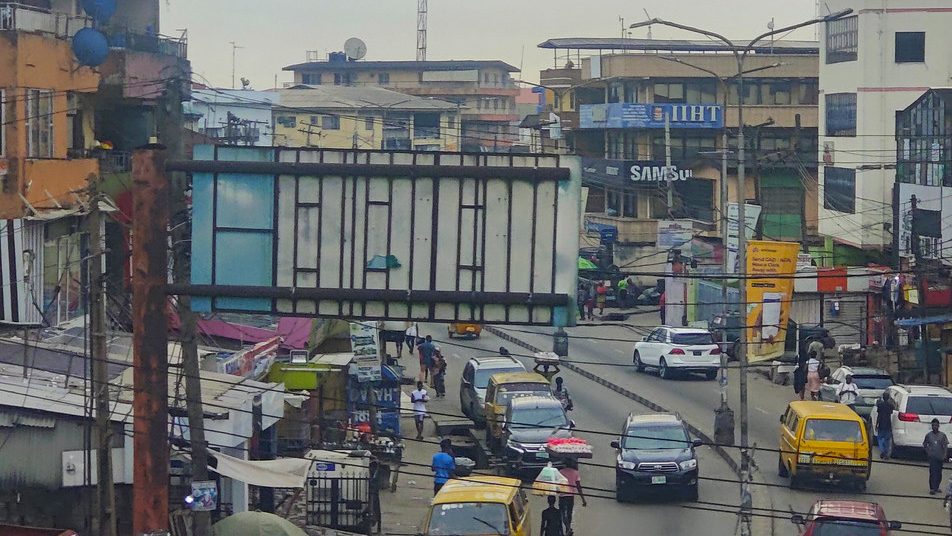
- Traffic and logistics: Getting materials to a site in Lagos can take 3–6 hours of journey time for materials coming from warehouses across town. This is built into delivery costs — Lagos receives a significant transportation surcharge on all bulk materials.
- Land costs: Land in Lagos costs more than anywhere else in Nigeria and in some areas (Victoria Island, Lekki Phase 1) more than many parts of London or Dubai on a per-sqm basis.
- Foundation complexity: A very large proportion of Lagos — much of the Mainland, all of the Island, and all of Lekki — sits on soft, waterlogged, or reclaimed ground that requires raft or pile foundations. This adds ₦2–₦10M to a standard bungalow compared to Ibadan on good laterite.
- Labour demand: Lagos has the most construction activity of any Nigerian city, which means the most competition for skilled artisans. Wages are 15–25% above other cities.
- Regulatory costs: Lagos has multiple overlapping planning and building control authorities, each with fees, timelines, and compliance requirements.
Construction Cost by Lagos Location (3-Bed Bungalow, Standard, 2025)
| Area | Construction Cost | Land Cost (600 sqm) | Total Investment |
|---|---|---|---|
| Victoria Island | ₦40M – ₦70M | ₦350M – ₦1B+ | ₦390M – ₦1.07B+ |
| Ikoyi | ₦38M – ₦65M | ₦250M – ₦700M+ | ₦288M – ₦765M+ |
| Lekki Phase 1 | ₦32M – ₦55M | ₦100M – ₦350M | ₦132M – ₦405M |
| Lekki Phase 2 / Osapa | ₦26M – ₦42M | ₦35M – ₦120M | ₦61M – ₦162M |
| Ajah / Sangotedo | ₦22M – ₦36M | ₦18M – ₦65M | ₦40M – ₦101M |
| Ikeja / GRA | ₦30M – ₦52M | ₦65M – ₦200M | ₦95M – ₦252M |
| Surulere / Gbagada | ₦24M – ₦40M | ₦28M – ₦85M | ₦52M – ₦125M |
| Yaba / Sabo / Iwaya | ₦22M – ₦36M | ₦18M – ₦55M | ₦40M – ₦91M |
| Ikorodu | ₦18M – ₦28M | ₦8M – ₦30M | ₦26M – ₦58M |
| Badagry / Ibeju-Lekki | ₦16M – ₦25M | ₦4M – ₦20M | ₦20M – ₦45M |
Lagos Building Approval Requirements
Lagos has one of the most complex building regulatory environments in Nigeria. The key approval bodies are:
- Lagos State Building Control Agency (LASBCA): Enforces the Lagos State Building Control Regulations. Issues building permits and conducts structural integrity inspections.
- Lagos State Physical Planning Authority (LASPPPA): Issues Development Permits based on zoning compliance and the Lagos Island or Mainland Master Plans.
- Lagos State Environmental Protection Agency (LASEPA): Required for larger developments and commercial projects.
- Local Government: Some LGAs have additional requirements for projects within their jurisdictions.
| Approval Item | Approximate Cost |
|---|---|
| Architectural drawings (ARCON-registered) | ₦300,000 – ₦1,200,000 |
| Structural engineer certification | ₦180,000 – ₦600,000 |
| LASPPPA Development Permit | ₦300,000 – ₦2,000,000 |
| LASBCA Building Permit | ₦200,000 – ₦1,500,000 |
| Survey plan (registered surveyor) | ₦150,000 – ₦400,000 |
| Total typical approvals budget | ₦1.13M – ₦5.7M |
Foundation Challenges in Lagos
Lagos's geology is the single biggest hidden cost driver. Understanding the foundation requirements for your specific area is essential before budgeting:
- Lekki Peninsula / Lagos Island / Victoria Island: Largely reclaimed or waterlogged ground. Raft or pile foundations are standard. Add ₦4–₦12M to your foundation budget compared to a mainland standard plot.
- Lagos Mainland (Ikeja, Surulere, Yaba): Variable — some areas have good laterite at 0.5–1.5m depth; others have soft compressible soils requiring raft foundations. Soil investigation is mandatory.
- Ikorodu / Badagry / Ibeju-Lekki: Generally better soil conditions than the inner mainland, allowing strip foundations in many locations. However, proximity to the coast in some areas requires verification.
Labour Rates in Lagos (2025)
| Trade | Daily Rate |
|---|---|
| Site foreman | ₦12,000 – ₦22,000 |
| Mason / bricklayer | ₦9,000 – ₦13,500 |
| Carpenter | ₦10,000 – ₦15,000 |
| Plumber | ₦10,500 – ₦17,000 |
| Electrician | ₦10,500 – ₦18,000 |
| Tiler | ₦10,500 – ₦16,500 |
| Painter | ₦8,500 – ₦13,500 |
| Labourer | ₦5,500 – ₦8,000 |
Strategic Tips for Building in Lagos on a Budget
- Consider Ikorodu or Ibeju-Lekki: With the Lekki-Epe Expressway extension and various infrastructure projects in progress, these areas offer Lagos-adjacent investment at significantly lower land costs.
- Source materials from Alaba International Market, Berger Market, or Ladipo: These wholesale markets bypass middlemen and offer prices 10–20% below typical retail hardware stores.
- Schedule deliveries for early morning or late evening to avoid Lagos traffic. A 7am delivery on a clear road versus a 10am delivery in traffic can mean the difference between 2 trips and 3 trips per truck per day.
- Get LASBCA approval before starting any visible structural work — unapproved structures in Lagos face stop-work orders, fines, and in some cases, demolition.
Are You Ready to Estimate Your Building Cost in Nigeria?
Stop guessing and start building with confidence. Our free Nigeria Building Cost Estimator generates an accurate, itemised Bill of Quantities in minutes — tailored to your location, house type, and finish level.
Start Your Free Estimate →