The Lagos vs Abuja Construction Cost Debate
Nigeria's two most important cities dominate the residential construction market — and they could not be more different from a builder's perspective. Lagos is Nigeria's economic powerhouse, with the most complex logistics, highest land costs, and strongest rental demand. Abuja is the planned federal capital, offering lower land costs in many areas but with significant variation between established districts and satellite towns.
If you are deciding where to build or invest, understanding the true cost differential between these cities — not just construction costs but land, approvals, and long-term returns — is essential. This guide gives you a comprehensive, side-by-side comparison based on 2025 market data.
Why Lagos Costs More to Build
Several structural factors make construction in Lagos more expensive than Abuja:
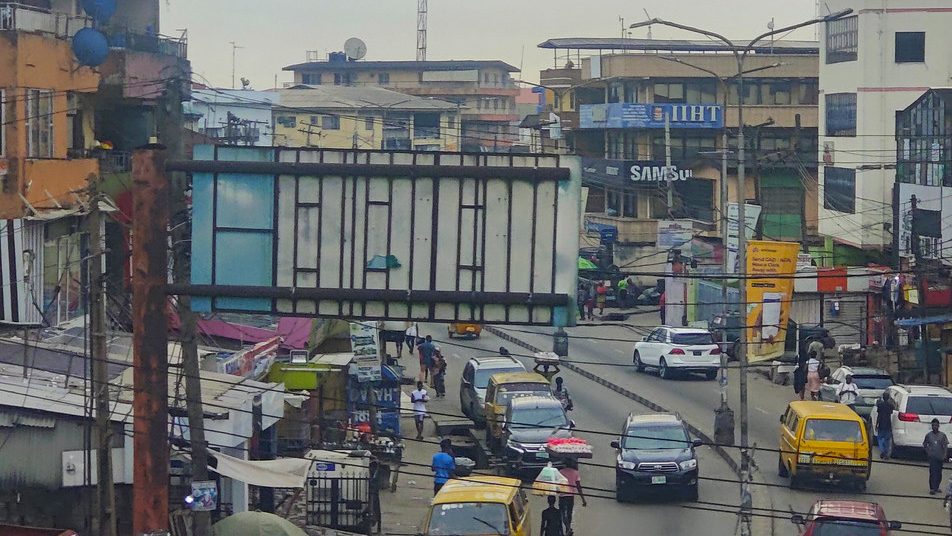
- Transportation: Lagos's notorious traffic adds 30–50% to material delivery costs. A trip that takes 20 minutes at 6am takes 3 hours at 10am.
- Land constraints: Lagos is a densely built-up peninsula with extremely limited land availability, pushing land costs far above any other Nigerian city.
- Labour demand: The sheer volume of construction activity in Lagos creates strong demand for skilled artisans, pushing daily rates 15–25% above Abuja.
- Regulatory complexity: Lagos has multiple overlapping building approval authorities (LASBCA, LASPPPA, LSDPC), each with fees and requirements that add cost and time.
- Foundation challenges: Much of Lagos is built on reclaimed land, waterlogged soil, or coastal swamp, requiring expensive raft or pile foundations.
Material Price Comparison: Lagos vs Abuja (2025)
| Material | Lagos | Abuja | Lagos Premium |
|---|---|---|---|
| Cement (50kg, Dangote) | ₦9,800–₦11,000 | ₦9,200–₦10,500 | ~7% |
| 9-inch block | ₦750–₦950 | ₦700–₦880 | ~8% |
| 12mm iron rod (per length) | ₦7,500–₦8,800 | ₦7,000–₦8,200 | ~8% |
| Sharp sand (trip/10 tons) | ₦60,000–₦85,000 | ₦45,000–₦65,000 | ~30% |
| Granite (trip) | ₦75,000–₦105,000 | ₦60,000–₦85,000 | ~25% |
| Long span aluminium (0.55mm, bundle) | ₦48,000–₦60,000 | ₦46,000–₦58,000 | ~4% |
| Timber (hardwood, per metre cube) | ₦180,000–₦250,000 | ₦155,000–₦220,000 | ~14% |
Note that aggregates (sand and stone) show the largest Lagos premium due to transportation distances. Cement and steel rod prices are more similar because they are manufactured locally and distributed nationally.
Labour Rate Comparison (2025 Daily Rates)
| Trade | Lagos | Abuja |
|---|---|---|
| Mason / Bricklayer | ₦9,000 – ₦13,000 | ₦7,500 – ₦11,000 |
| Carpenter (form work/roof) | ₦9,500 – ₦14,000 | ₦8,000 – ₦12,500 |
| Plumber | ₦10,000 – ₦16,000 | ₦8,500 – ₦14,000 |
| Electrician | ₦10,000 – ₦17,000 | ₦9,000 – ₦15,000 |
| Tiler | ₦10,000 – ₦16,000 | ₦8,500 – ₦13,500 |
| Painter | ₦8,000 – ₦12,000 | ₦7,000 – ₦10,500 |
| General labourer | ₦5,000 – ₦7,500 | ₦4,000 – ₦6,500 |
Land Costs Comparison (2025)
This is where the real difference lies. Land cost in many Lagos locations is 2–10× the equivalent in Abuja's comparable suburbs.
| Area | Plot Cost (per 600 sqm) |
|---|---|
| Lagos — Victoria Island/Ikoyi | ₦300M – ₦1B+ |
| Lagos — Lekki Phase 1 | ₦100M – ₦350M |
| Lagos — Lekki Phase 2/Ajah | ₦30M – ₦120M |
| Lagos — Surulere/Gbagada | ₦25M – ₦80M |
| Lagos — Ikorodu | ₦8M – ₦30M |
| Abuja — Maitama/Asokoro | ₦80M – ₦250M |
| Abuja — Jabi/Wuse 2 | ₦50M – ₦150M |
| Abuja — Gwarinpa | ₦20M – ₦55M |
| Abuja — Lugbe/Karu | ₦6M – ₦22M |
Building Approval Costs
| Requirement | Lagos | Abuja |
|---|---|---|
| Development permit / approval | ₦300K – ₦2.5M | ₦250K – ₦1.8M |
| Professional fees (architect, QS) | ₦350K – ₦1.5M | ₦300K – ₦1.2M |
| Structural engineer certification | ₦150K – ₦500K | ₦120K – ₦400K |
| Total approvals budget | ₦800K – ₦4.5M | ₦670K – ₦3.4M |
Total Project Cost: 3-Bedroom Bungalow (Construction Only, No Land)
| Specification | Lagos | Abuja |
|---|---|---|
| Economy finish | ₦18M – ₦23M | ₦16M – ₦20M |
| Standard finish | ₦26M – ₦38M | ₦22M – ₦33M |
| Luxury finish | ₦42M – ₦65M+ | ₦35M – ₦55M+ |
Investment Returns: Where Is Better Value?
Despite Lagos's higher construction and land costs, it typically offers better investment fundamentals:
- Lagos rental yields: 5–8% gross yield on residential property in most areas
- Abuja rental yields: 4–6% gross yield
- Lagos capital appreciation: Lagos land has historically appreciated 10–20% annually in prime areas
- Abuja capital appreciation: 8–14% annually in established districts
The bottom line: Lagos costs more to build and land is more expensive, but the stronger rental market and capital appreciation make it superior as an investment location — particularly in areas like Lekki, Ajah, and Ikeja. Abuja offers better value for owner-occupiers seeking more house for their money.
Are You Ready to Estimate Your Building Cost in Nigeria?
Stop guessing and start building with confidence. Our free Nigeria Building Cost Estimator generates an accurate, itemised Bill of Quantities in minutes — tailored to your location, house type, and finish level.
Start Your Free Estimate →